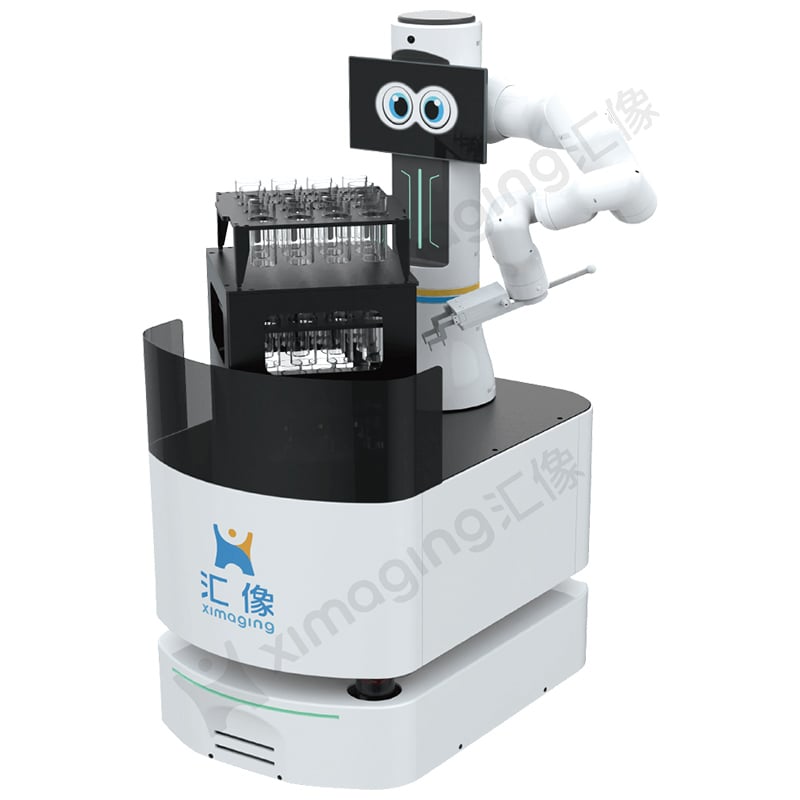
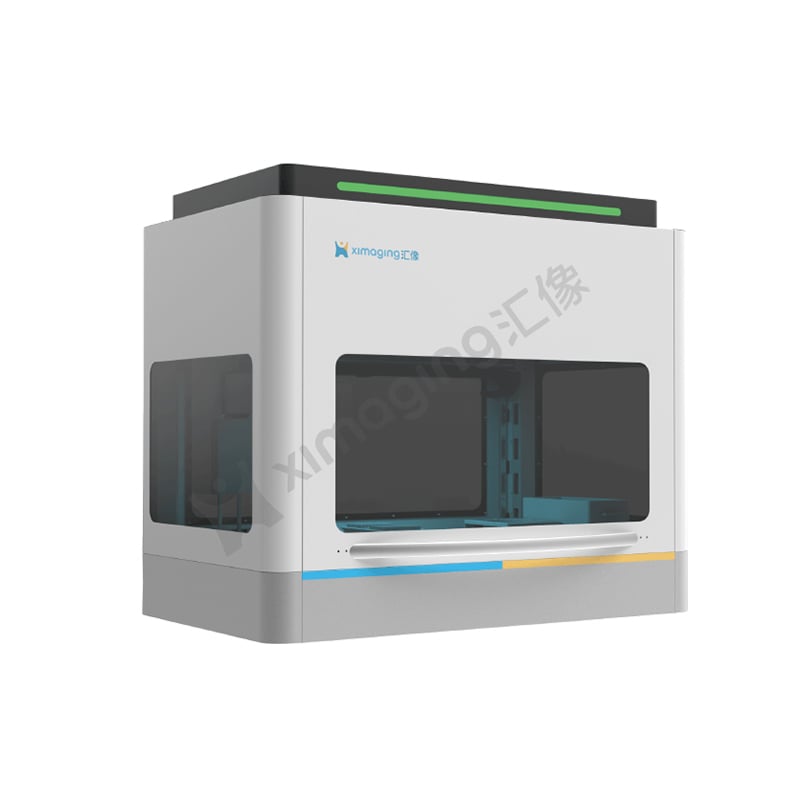
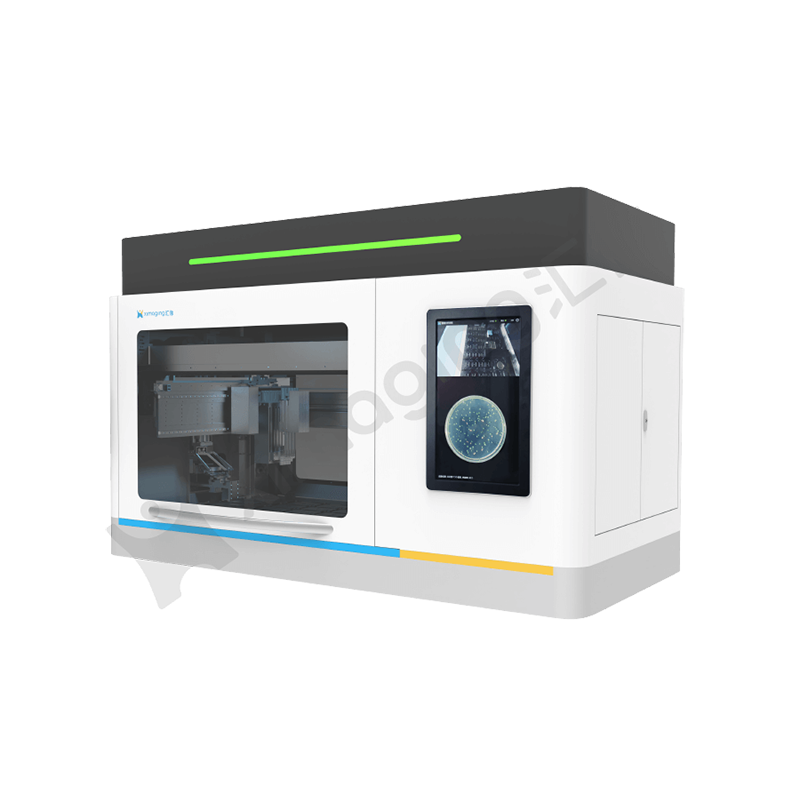
Robotic process automation is a fancy term for saying that robots are being deployed to assist scientists and researchers in the life sciences sector. But, robots aren’t exactly like what we see in movies or cartoons. Those robots are intended to perform the same task fairly quickly and consistently, tirelessly and without error. This allows scientists and researchers to spend their time on more important tasks, like finding cures for diseases or creating new medicine.
Every day, life scientists have a lot of work to do. These jobs could be lengthy and the attention to detail required is very high. But tasks like that can be done faster and more efficiently with the aid of robotic process automation. For instance, a robot can be programmed to mix various chemicals multiple times with the same accurate weights and allowing scientists to spend more time on critical tasks and avoiding errors.

Precision is important in the life sciences. There is little room for error: A single small mistake can result in a minor change in the outcome of an experiment or the development of a new medicine. That’s where robotic process automation (RPA) comes in. Robots are programmed to follow set directions and can guarantee that tasks are executed with the utmost precision. This allows scientists & researchers at materials, pharmaceutical and biotechnology companies to achieve confidence in their findings through a wide range of applications in the life sciences.

Robotic process automation is emerging as a game-changer in the life sciences industry. Robots are enabling scientists and researchers to automate repetitive tasks and achieve new levels of speed and efficiency. This not only reduces the time required for the measurements but also enables more experiments to be preformed as well as more data to be analyzed. Now, with the use of robots, the pace of discovery in life sciences is accelerating and discoveries are being made that previously were deemed unattainable.

As robotic process automation gains apparent benefits in life sciences, more and more firms are adopting robotics technology. Francis technology, for instance, provided the first generation of advanced robotic solutions for life sciences research. Life sciences companies such as Intelligence Technology can optimize processes, increase efficiencies and transform the way things are done by embracing robotic process automation.
 EN
EN