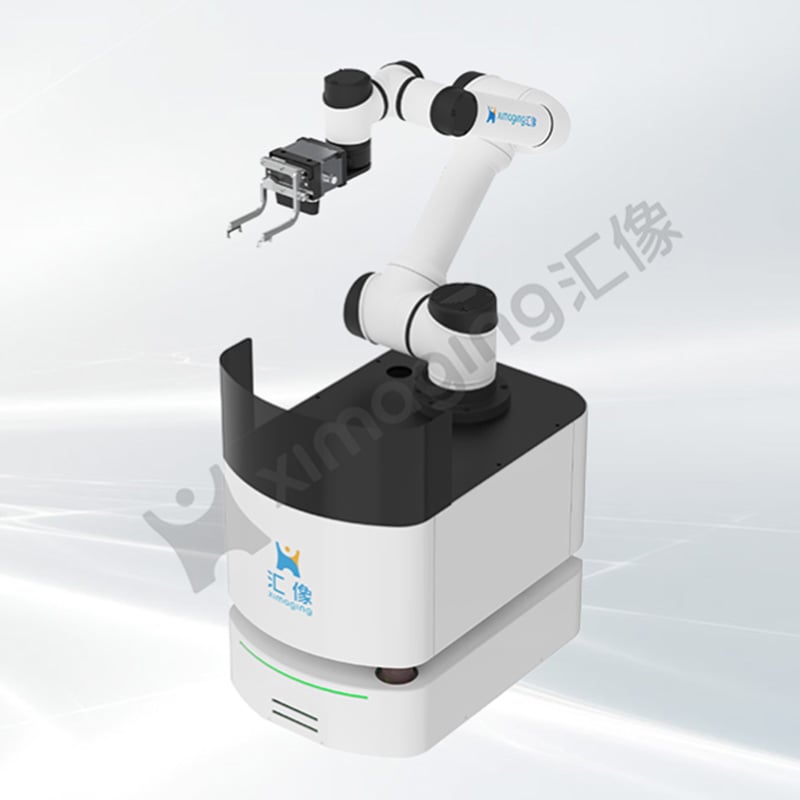
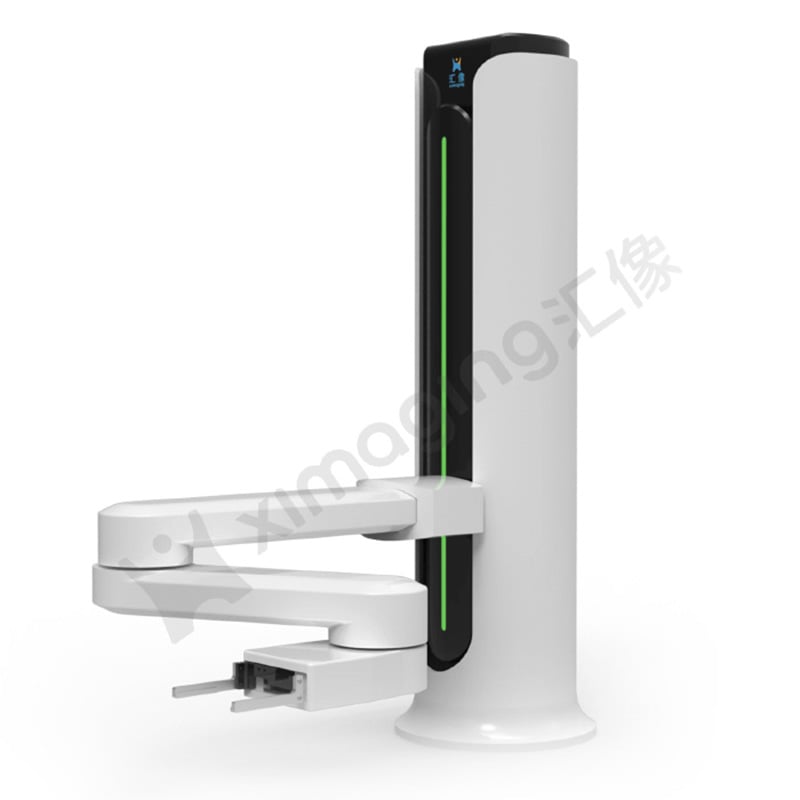
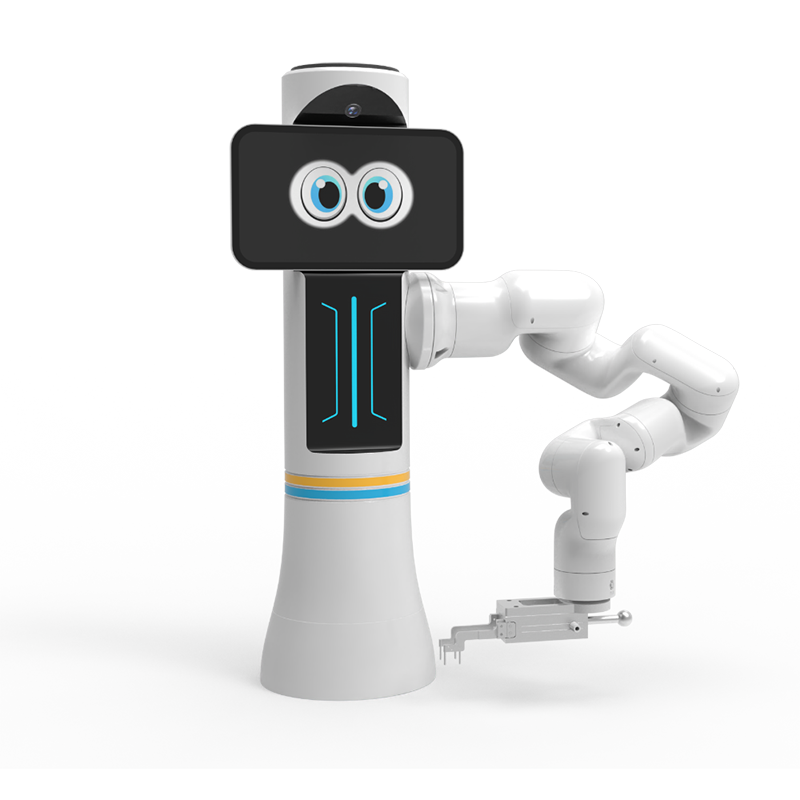
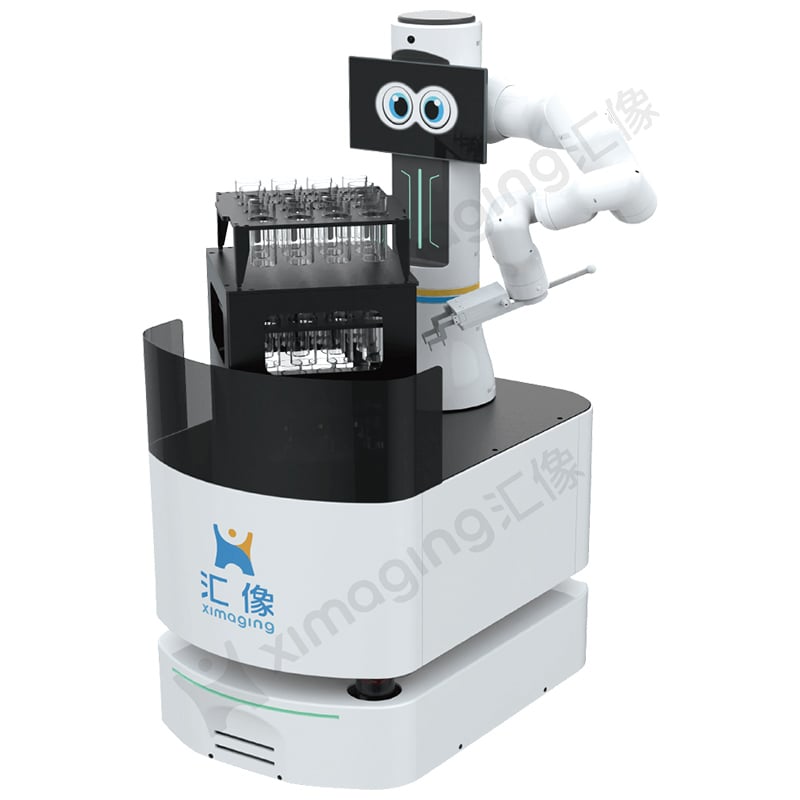
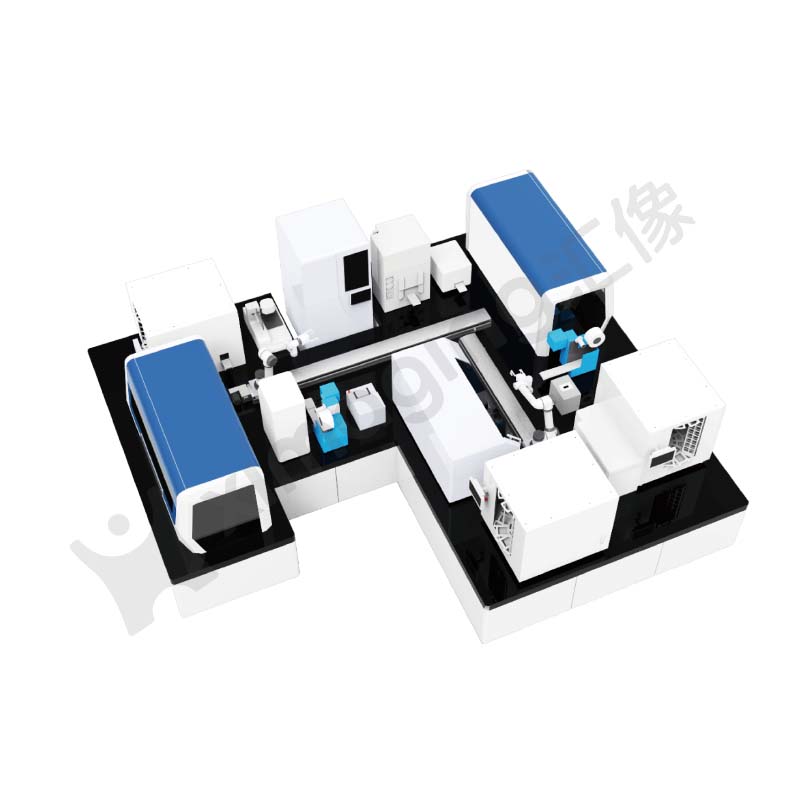
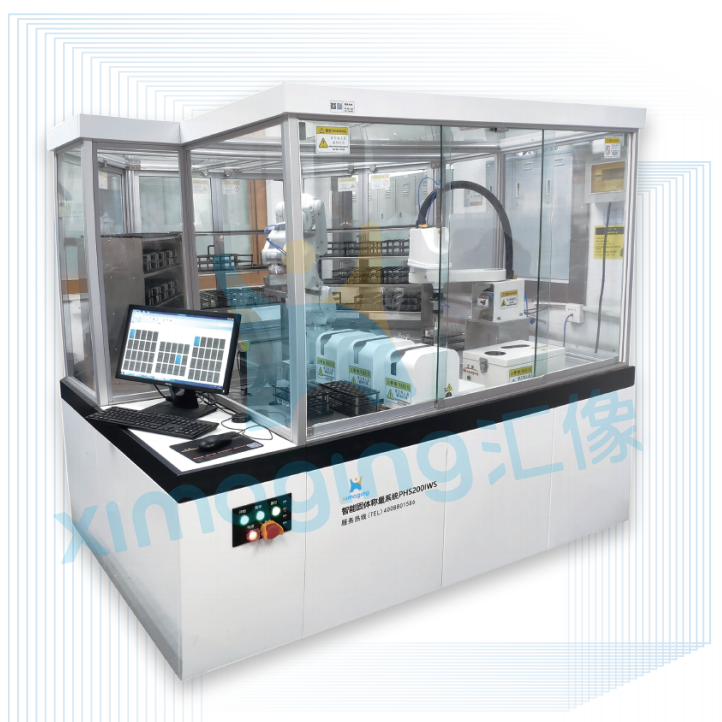
Automating clinical chemistry to improve diagnosis processes SERVER The future of diagnostics in clinical chemistry Efficient patient treatment in the emergency clinical laboratory and the core laboratory devices, the systems for special applications and the analysis systems for research and forensics have been…
Clinical chemistry is a key branch of the field of medicine that involves the examination of bodily fluids in order to diagnose and monitor health problems. This was traditionally a very manual business – mixing reagents, pipetting samples, running tests. Nevertheless, automation is now recognised as an integral part of clinical-chemistry laboratory technology for the optimisation of the diagnostic process.
ACLSV’s Role of Automation is huge in clinical chemistry because it ensures the lesser human interference as well as human error. Automated systems can accurately and efficiently sample handle, reagent mix, test run, and result analyze. Not only does this result in a time savings, but also in more accurate and reliable test results, thereby promoting better patient care.
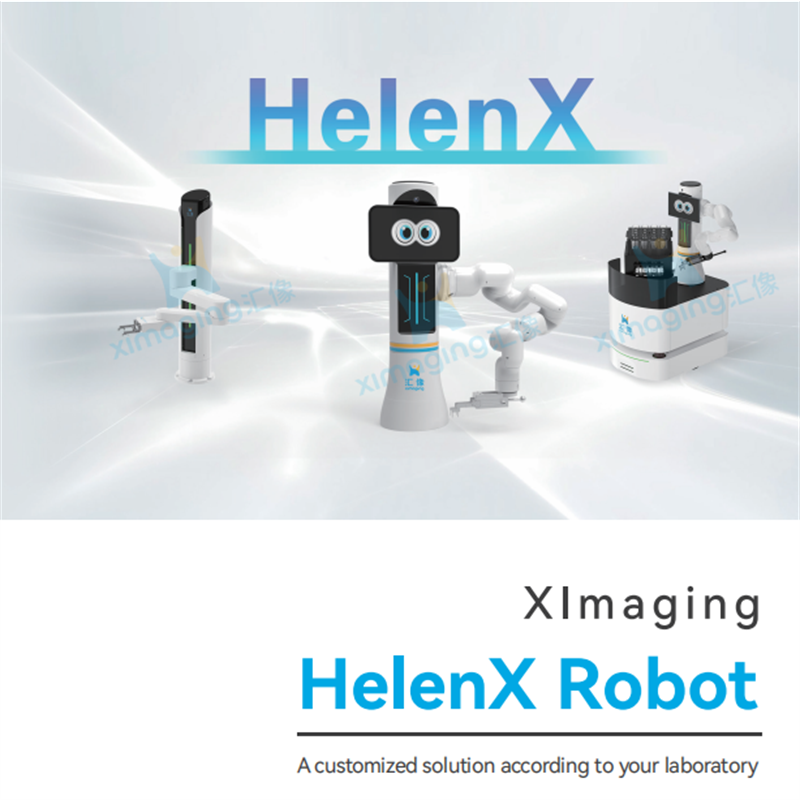
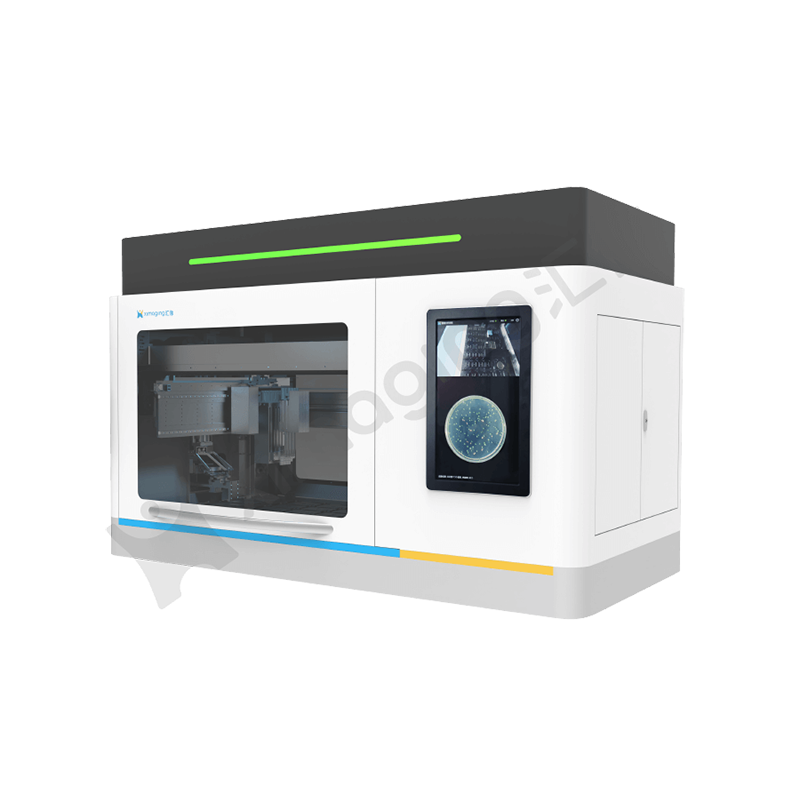
Automated instruments for clinical chemistry have been developed to facilitate the diagnosis of diseases by automating the procedures and reducing the touch time of the human operator. The systems are capable of processing numerous samples at once to help reduce turn-around times and increase the workflow efficiency of the lab. Furthermore,computersystemhaveahigh-precision and capabilities technology that is apt to provide reliable and accurate response to diminish the possibility of erroneous decisions and enhance diagnostic efficiency.
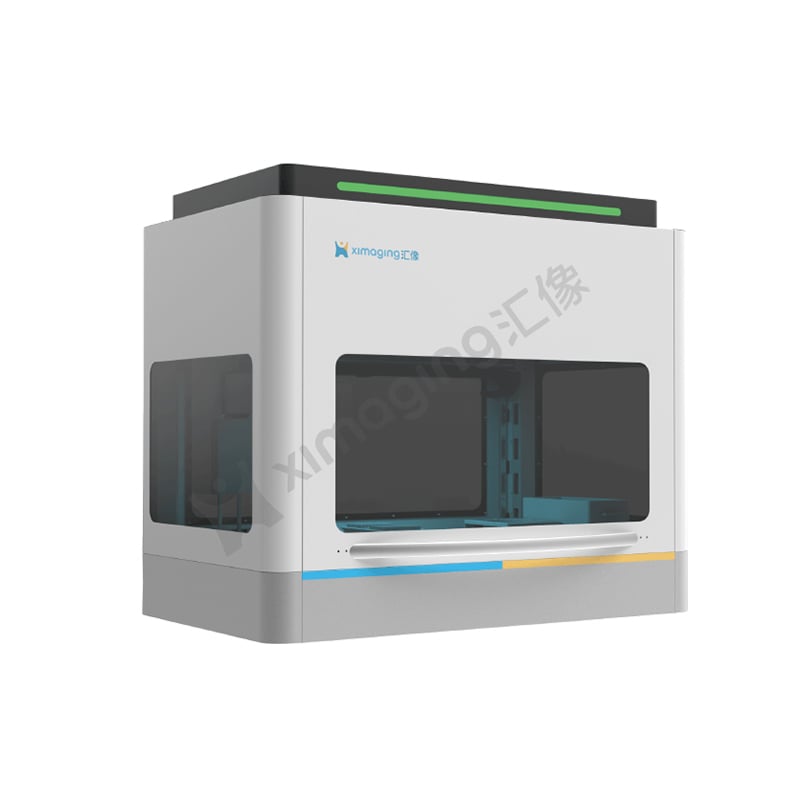
The automation utilization in clinical chemistry laboratories might contribute vastly toward better patient care. Laboratories may test more samples and do so more quickly by automating routine activities, thereby speeding up diagnosis and treatment. Automation also decreases the potential for error, allowing patients to receive more accurate and consistent test results. Finally, automation in clinical chemistry laboratories will result in better patient care and quality of work.
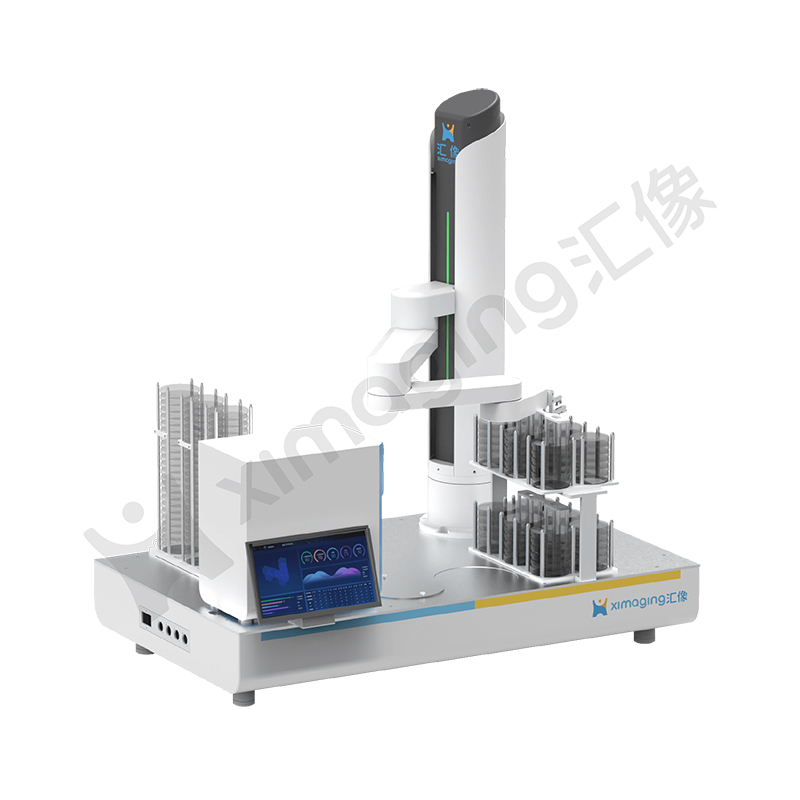
The introduction of automation has revolutionised diagnostics with new technologies that impact on the efficiency and safety in clinical chemistry testing. `.Automation: From auto-analysers to robotic sample handling systems, the way laboratories are being managed and diagnostic services dispatched has changed. The adoption of these automated approaches will allow the clinical chemistry laboratory to remain competitive in this environment, and continue to offer patients high quality, dependable testing.
 EN
EN