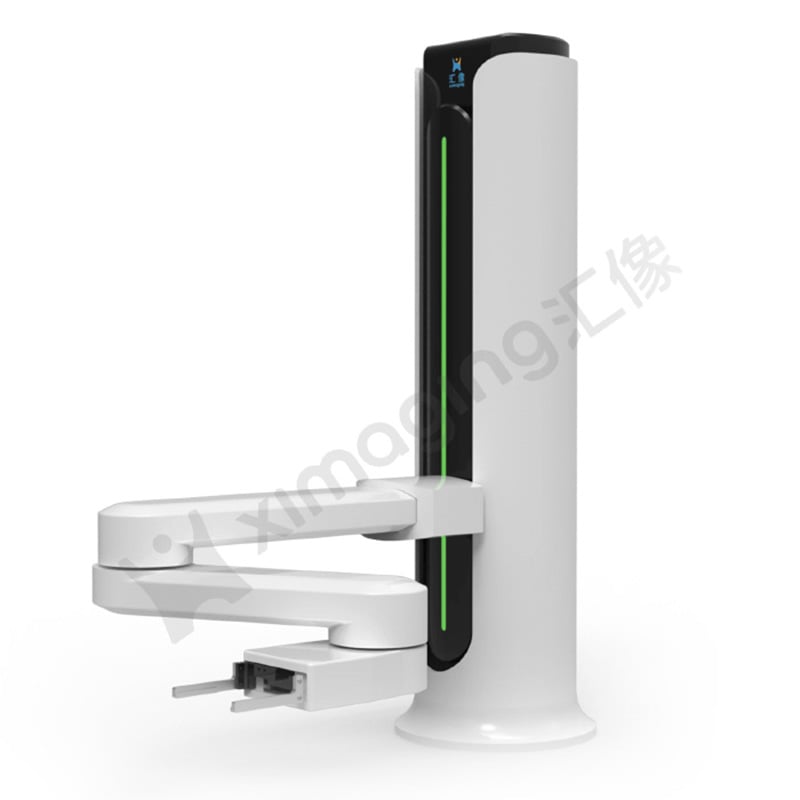
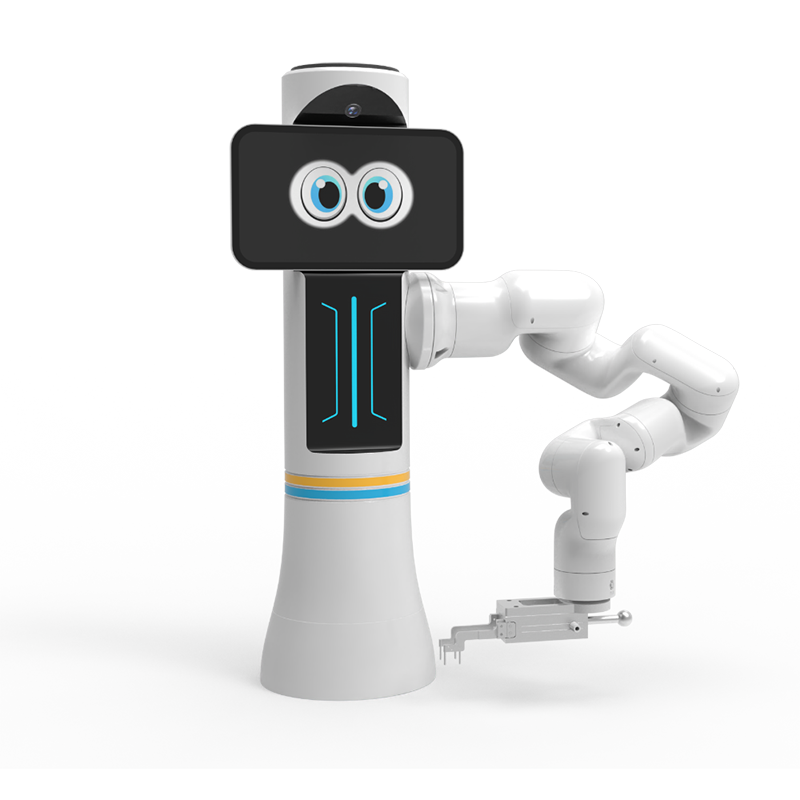
Digital cell imagers are sort of like supercharged microscopes that can assist scientists in peering at small cells up close. They operate by capturing images of cells through special cameras and computer technologies. This allows researchers to study cells and to understand more about how they work and what they look like in detail.
Before digital cell imagers, scientists would study cells under the microscope the old-fashioned way. This could take a while and was manual work-intensive. Thanks to digital cell imagers, researchers are now able to snap a quick image of a cell with scientific precision at the press of a button. That has transformed how research is conducted in the likes of biology and medicine.

Scientific significance Digital cell imagers are very important in scientific research. They allow scientists to explore the cell in better, faster and more convenient way, leading to new discoveries and breakthroughs in the fields of cell biology. Digital cell imagers offer sharp images of cells, which can capture the structure and function of cells, necessary for finding new treatments for diseases.

Digital cell imagers employ sophisticated digital imaging to obtain quality cell images. This not only brings forth faster results but also increases the accuracy of the the results. Analysts can now study thousands of cells in the time that it would take with the conventional approach. This greater efficiency makes faster advances in science possible, from which ultimately society as a whole profits.

"The possibility of digital cell imagers is enormous. Investigators continue to discover novel ways to apply this technology to study cells and unlock the mysteries of the human body. The assistance provided by digital cell imaging allows researchers to go further and make significant discoveries that can promote the good health and well-being of mankind!
 EN
EN