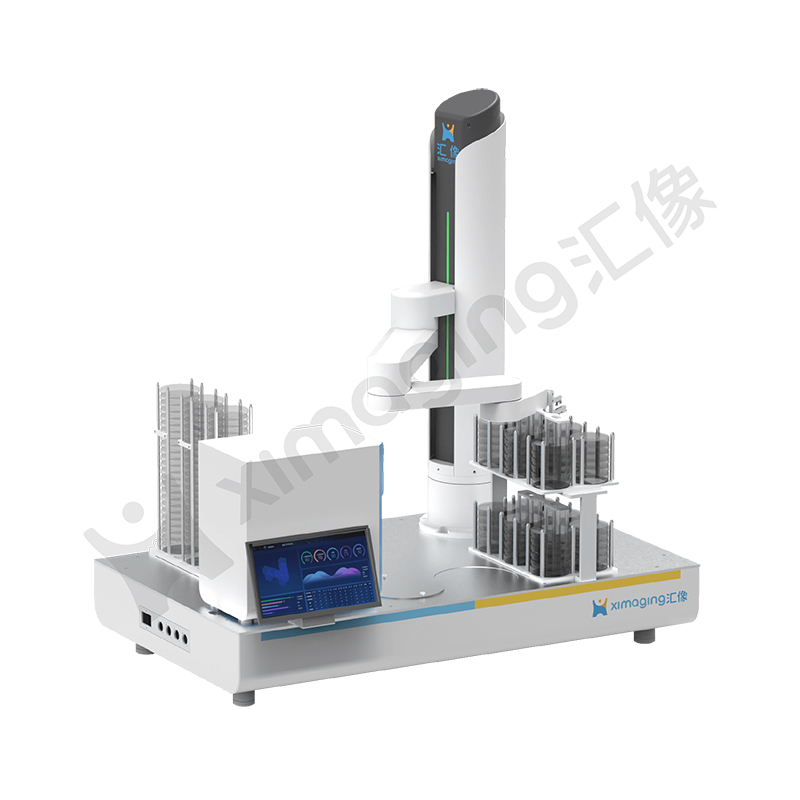
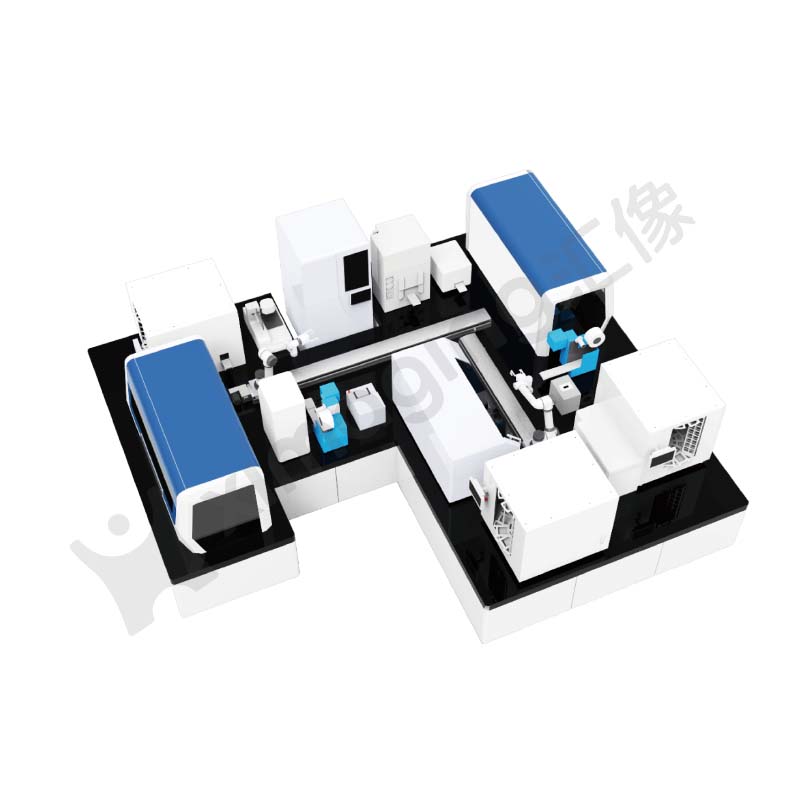
I bet you knew that all living things are built from very small building blocks; and that people, horses, and birds are made of millions and millions of little kind of building blocks, called cells. Those cells are so tiny that we cannot see them with our eyes alone. But using powerful tools from Intelligence Technology like intelligence automation, microscopes, scientists can peer into the secret life of cells and snap amazing pictures of these miniature structures.
When we peer at images of cells through a microscope, we discover a brilliantly colorful new world of shapes and sights like laboratory automation. Each cell has its own little idiosyncrasies, a kind of fingerprint that distinguishes it from all others. Some cells are round and smooth; others are long and spiky. By examining such images, researchers can uncover more about how cells function and communicate.
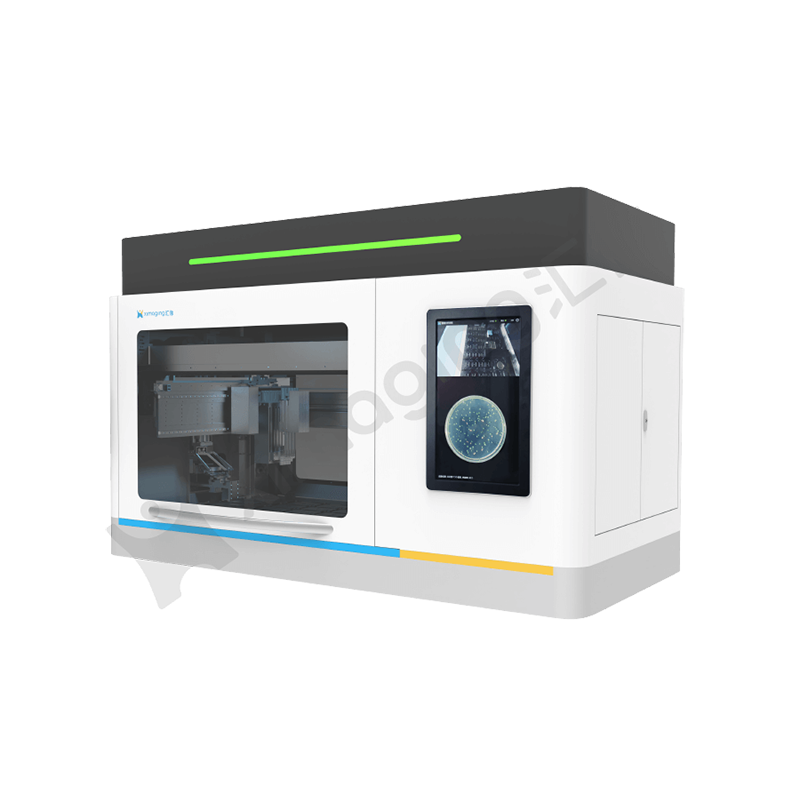
One neat thing about cell images is how much detail they reveal. When we magnify a cell using a lab automation, we get a good look at its tiny parts, little pieces called organelles that have certain jobs inside that cell. These organelles collaborate like tiny machines to keep the cell alive and functioning. It’s wonderful to see how everyone is connected, like matching puzzle pieces.
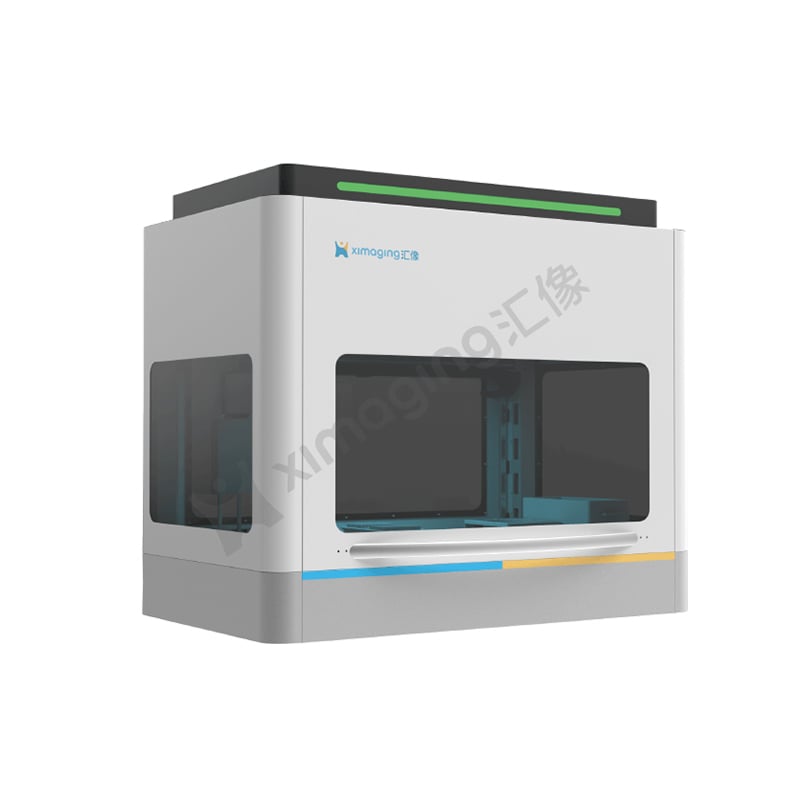
Recent technology like live cell imaging has allowed scientists to get very close-up pictures of the structures of cells. With the help of special dyes and stains, they can emphasize different parts of the cell and make them easy to observe. Better pictures help scientists learn how cells grow, divide and communicate with one another. It’s like piecing together a puzzle, one new image at a time a deeper piece of the larger, unseen picture.
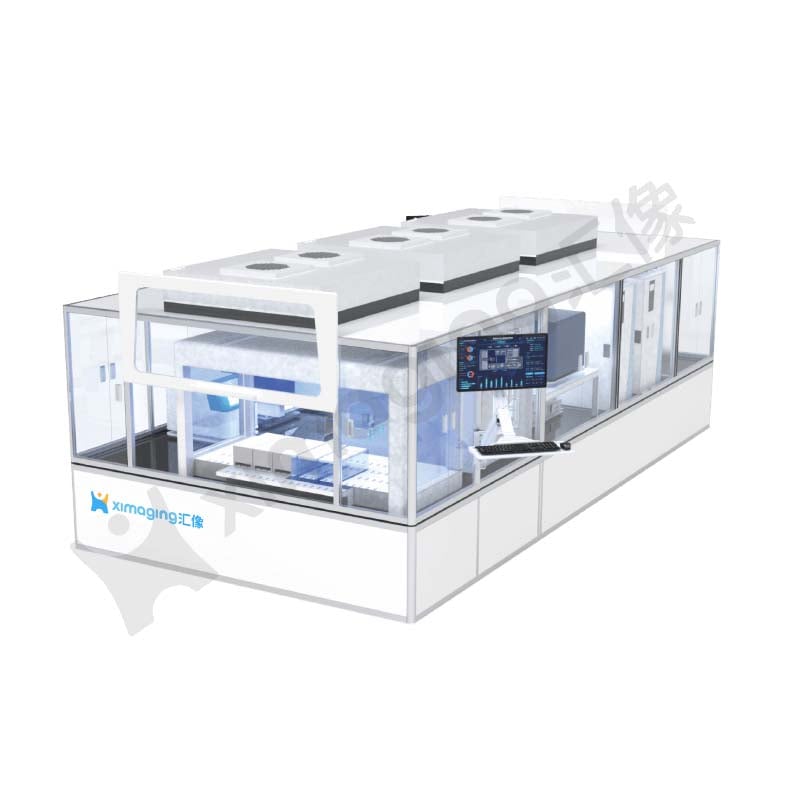
While we gaze at these images to take a look at the cellular world, we can only be wowed at how beautiful and complicated it is. Every image is a story of growth and change occurring around us on a daily basis. By viewing these images using a cell imaging we can come to appreciate the amazing work occurring inside of our bodies and in the rest of the natural world.
 EN
EN