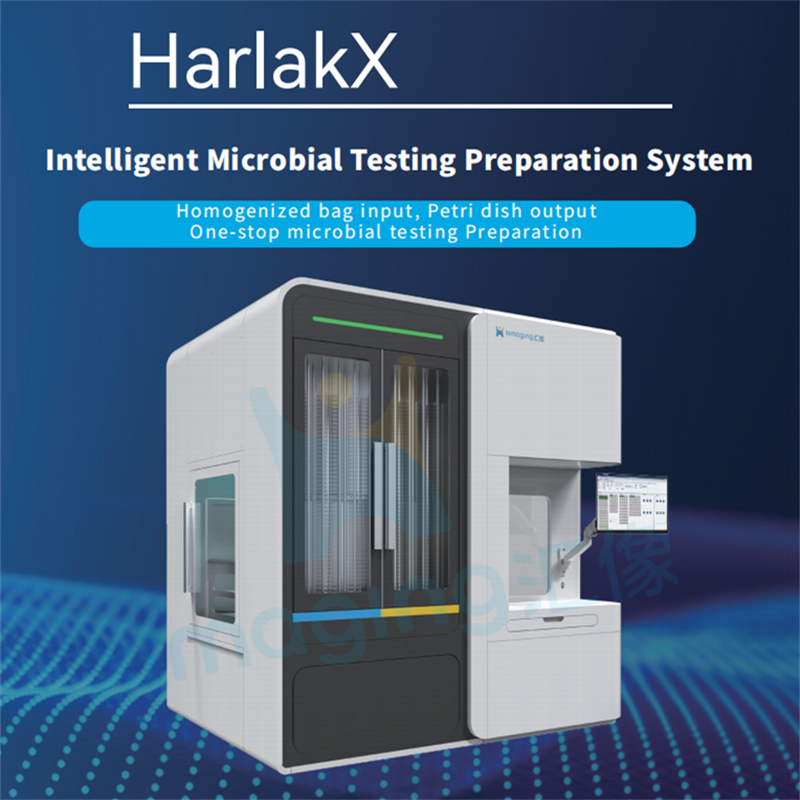
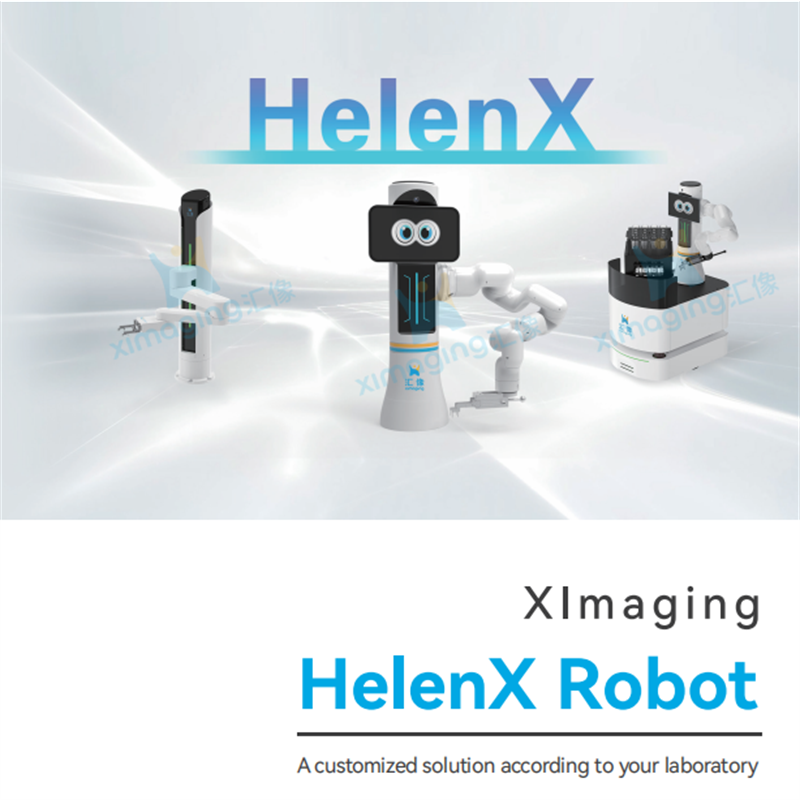
Have you ever wondered how technology assists doctors and scientists in medical microbiology? Automation refers to using machines to perform jobs rather than people. The significance in healthcare is immense. Let’s take a look at automation’s impact on how we test for and treat diseases that you might get from tiny little germs like bacteria and viruses.
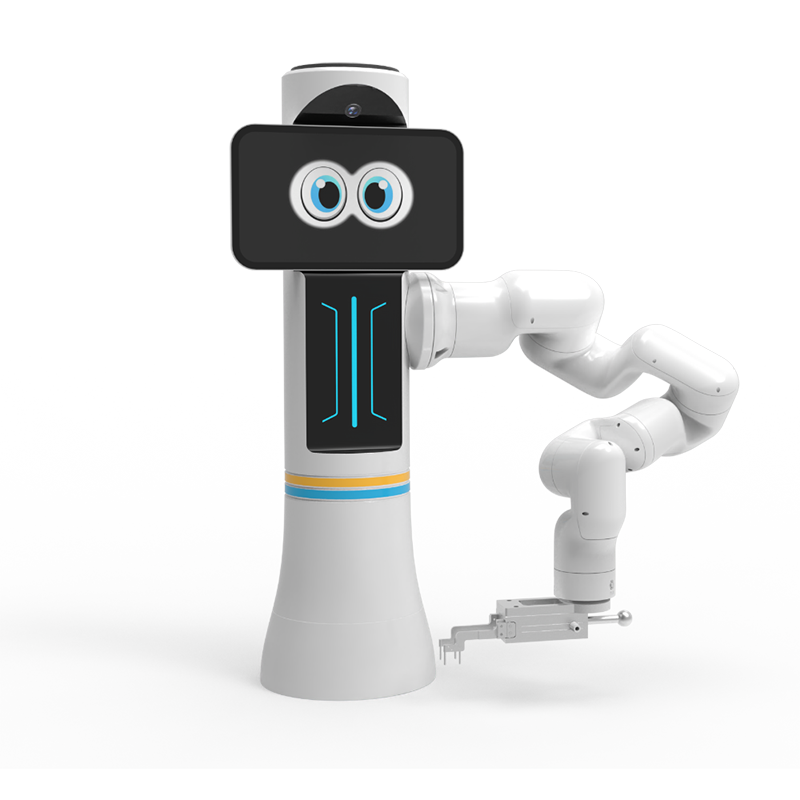
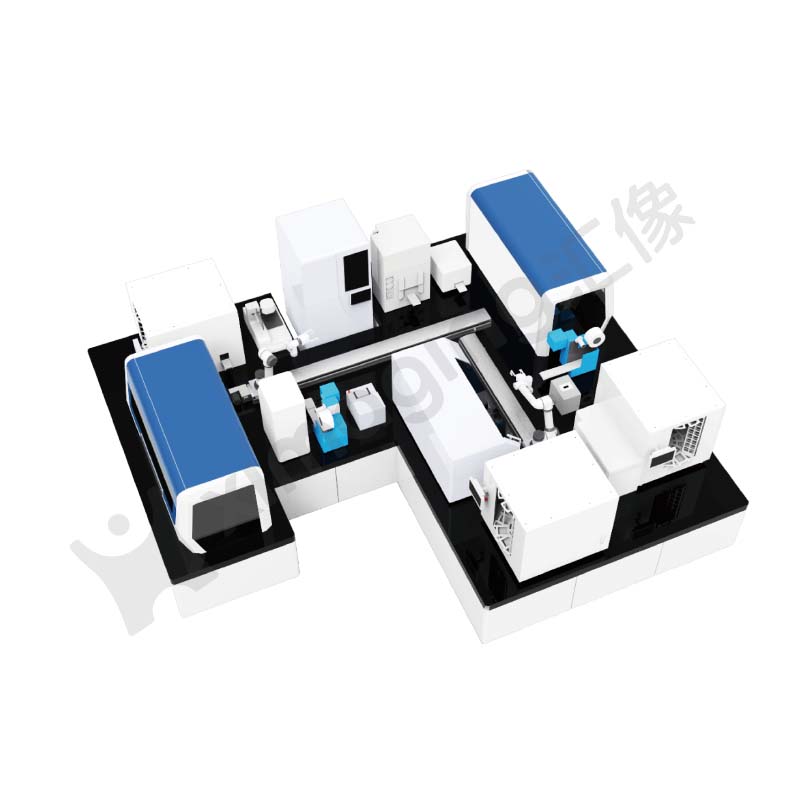
Automation in medical microbiology employs robotics and computer software to test samples from patients. These tests help doctors identify which germ is causing an infection so that they can prescribe the right medicine. Automation is quicker and more precise than the traditional methods that require human assistance.
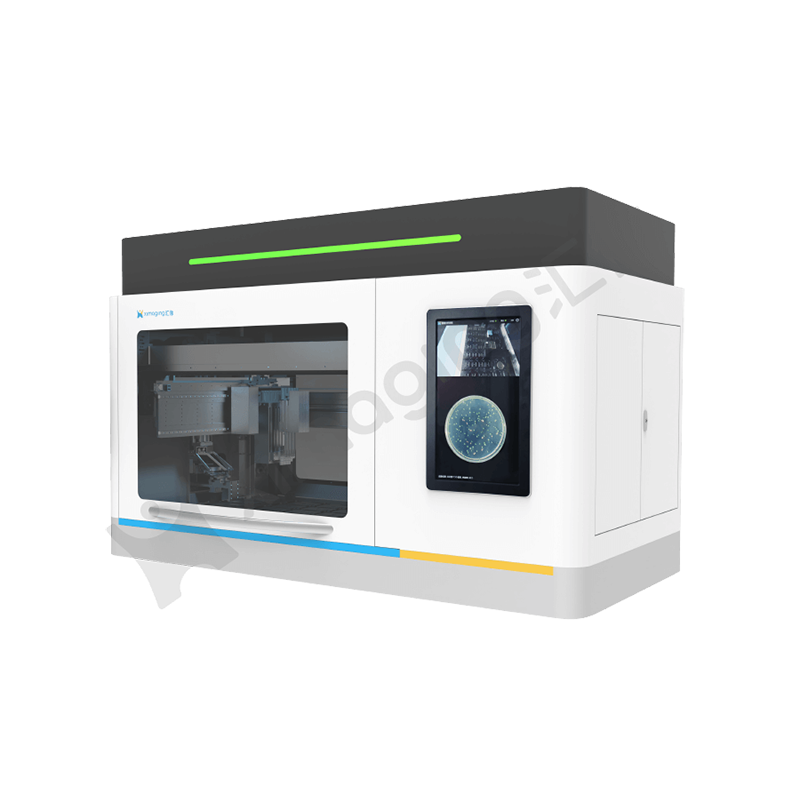
Once upon a time, scientists had to spend hours peering through microscopes and growing germs in petri dishes. If so, it took loads of time and could contain errors. Machines can complete these tasks much quicker and more accurately with automation. For example, machines can run a lot of tests at once, which allows doctors to identify what’s wrong sooner and start treatment earlier.

Automation 31073 AVG 201608 44 Automation in Microbiology Labs Automation in Microbiology Labs Automation 2 February 24, 2018 11:40 PM | 201608 | 0 12345V ANISE BODLA There's no denying that automation benefits microbiology labs in a number of ways. A huge advantage is that it streamlines the work. Machines enable labs to test a greater number of samples in less time. That means patients have to wait less for their results and doctors can make treatment decisions more quickly. Automation also reduces errors, making testing more precise. And it allows scientists to spend more time analyzing results and developing new therapies not performing routine tasks.
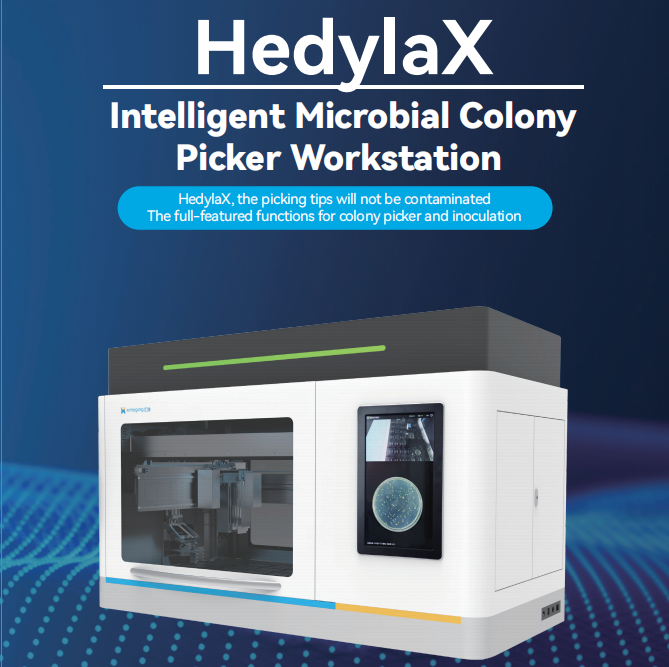
The addition of automated systems has assisted medical microbiology tremendously through accelerated and more accurate testing. This results in better outcomes for patients and lower cost of care. When doctors can quickly learn about infections, for example, they can initiate treatment sooner, potentially saving lives. Automation also prevents the spread of infections by quickly determining their point of origin and acting accordingly.
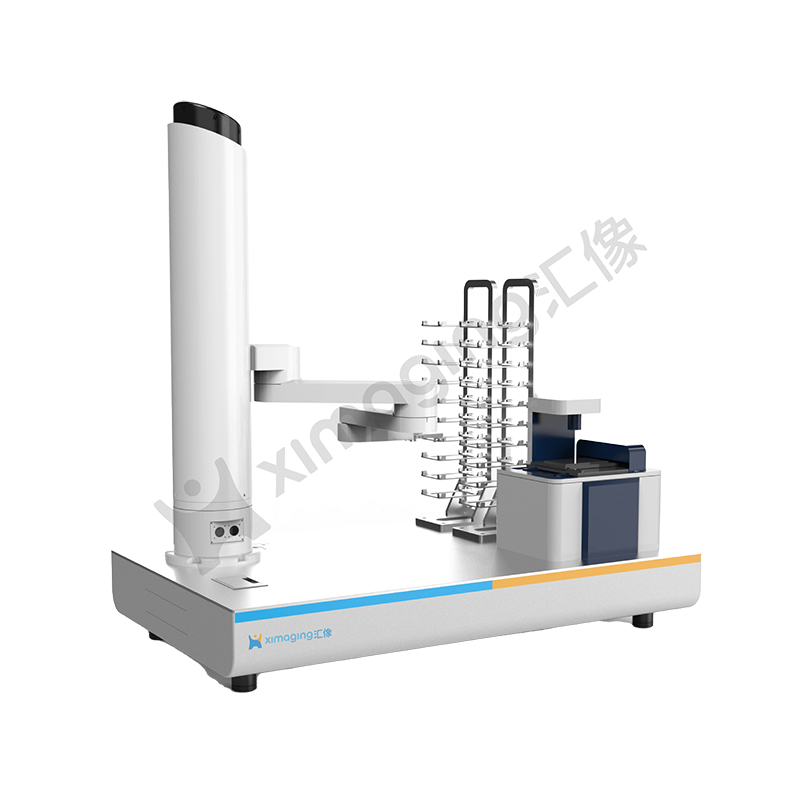
With increasing technology, there are countless opportunities in healthcare. In addition to microbiology testing, automation can also play a role in other healthcare processes to improve ease of use and patient experience. For instance, machines could be aid in dispensing medications, monitoring patients, and assist in surgeries. Automation enables healthcare workers to deliver care to their patients faster, more accurately and at a lower cost.
 EN
EN