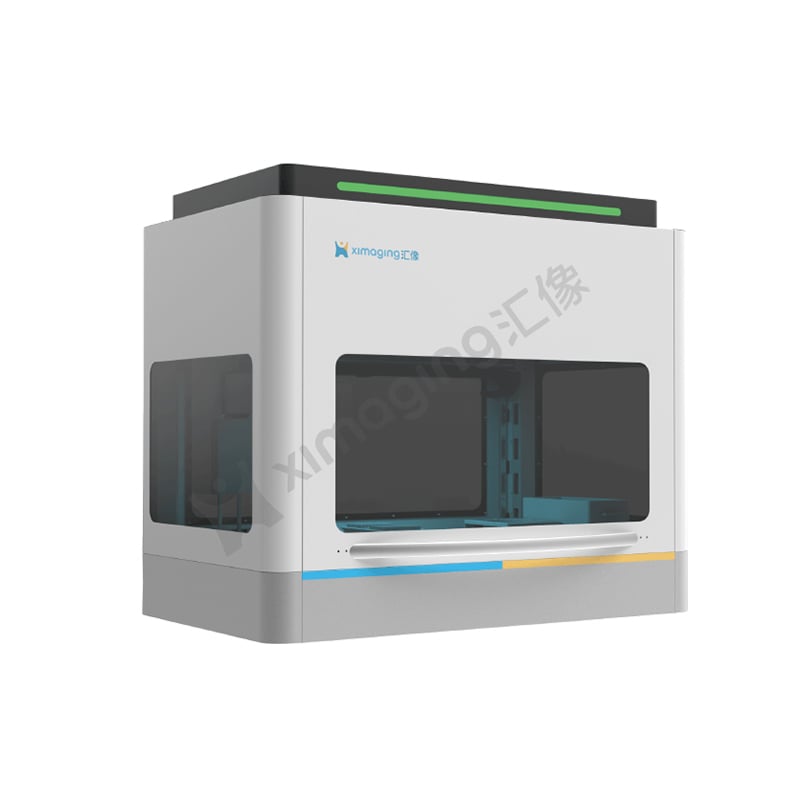
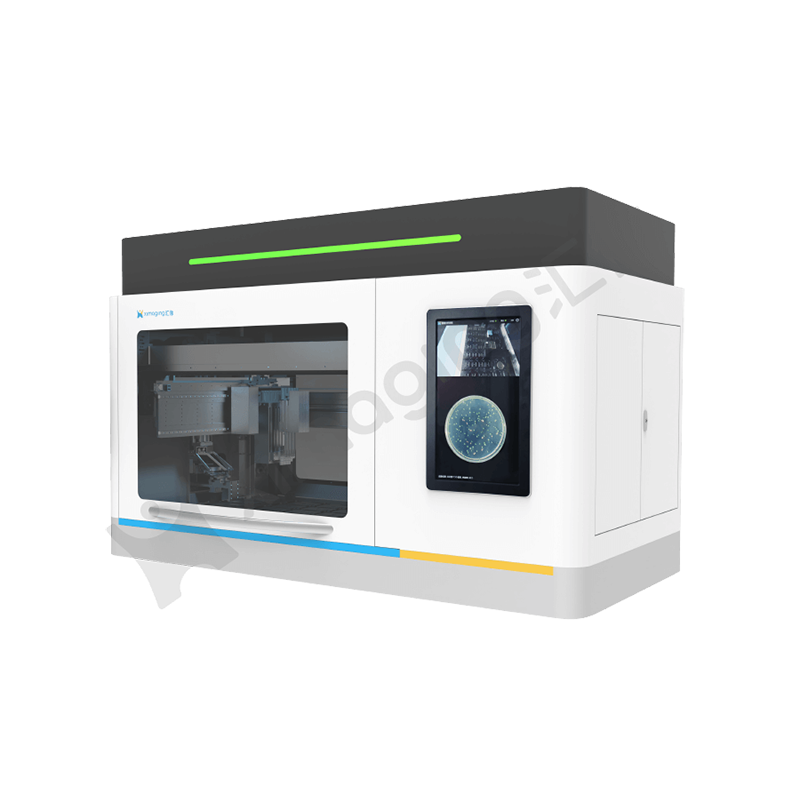
In our current world, scientists are constantly searching for ways to speed up and simplify their work. Synthetic biology is one area that has seen rapid advances. Synthetic biology is a combination of biology and engineering to design and fabricate new biological parts, devices, and systems.
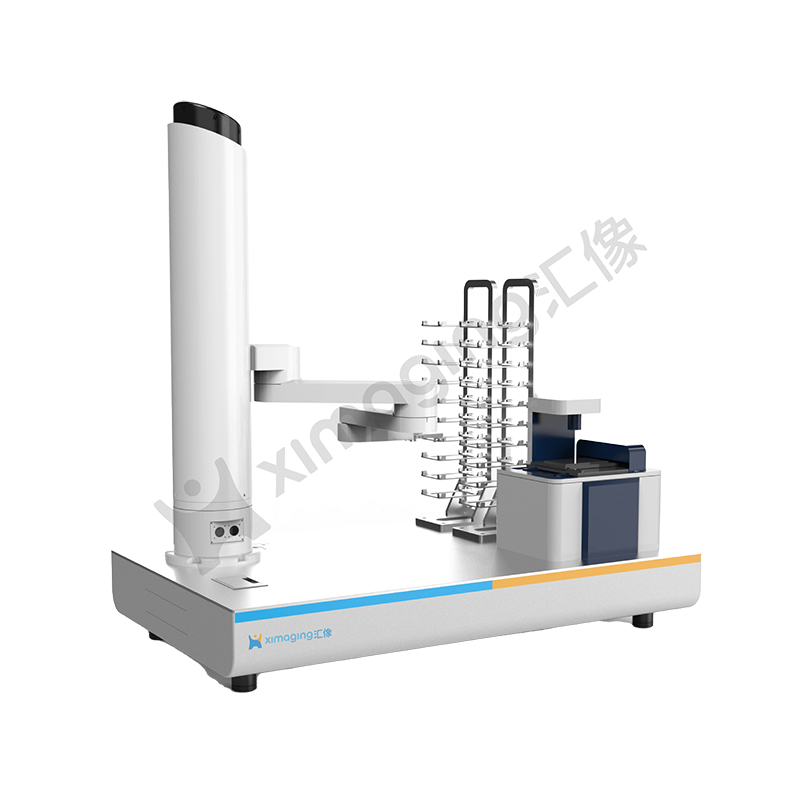
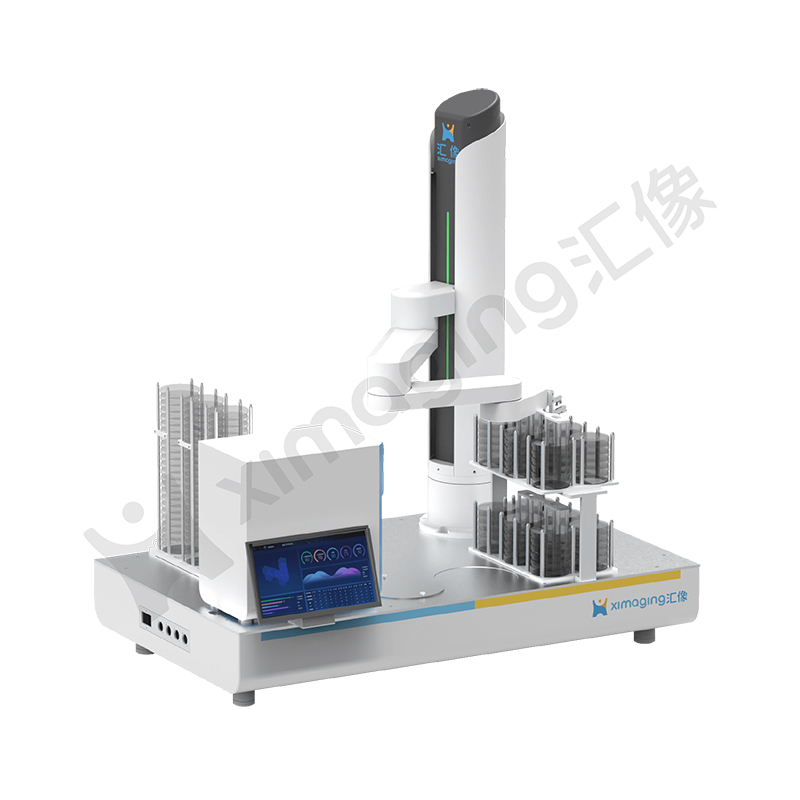
It used to be slow going and laborious to change genes in the lab. Now, using automated tools and robots, scientists can speed up this process and transform their work. Researchers can now perform experiments faster and more accurately than ever before through the use of automation technology.

But the automated synthetic biology is a big time saver because it accelerates gene editing. Gene editing is a technique that makes it possible to alter an organism’s DNA and, thereby, its traits or behaviors. Using automated tools, researchers can implement these changes with greater accuracy, resulting in faster outcomes and more accurate data.
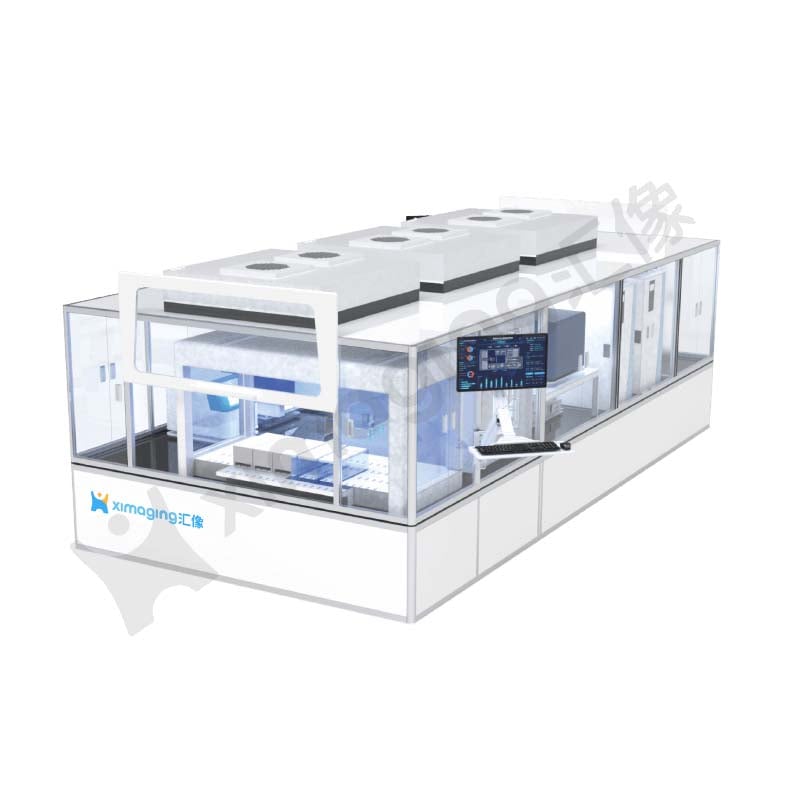
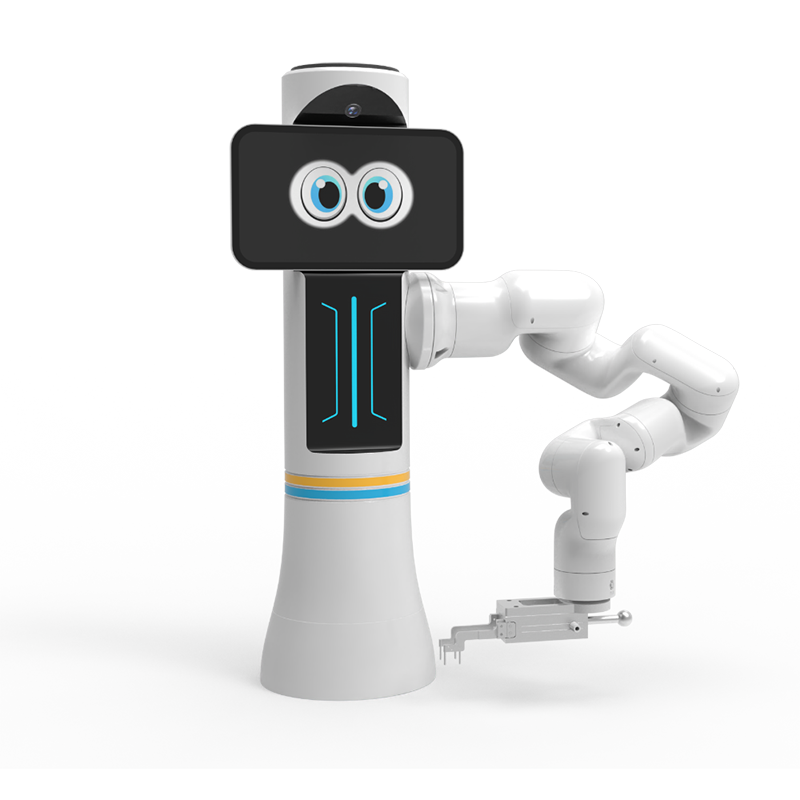
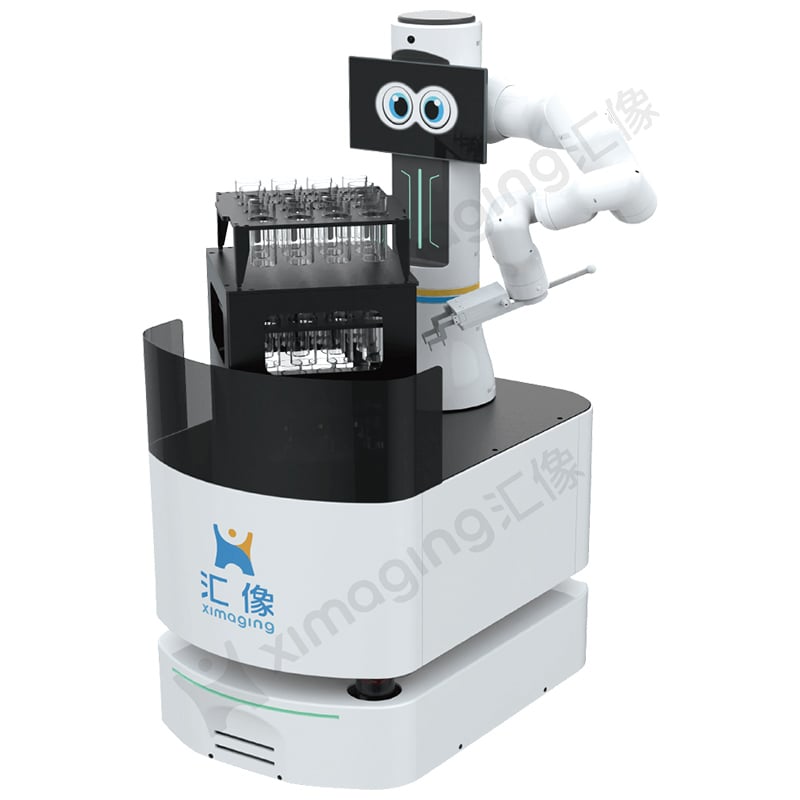
Robots have advanced to become a major player in synthetic biology, especially in areas that require delicate and precise movement. For example, in genetic engineering, robots can be automated to carry out operations such as pipetting, mixing, and analyzing samples with high speed and precision. This degree of accuracy helps ensure that experiments are the same every time, and that the same conditions lead to the same results.
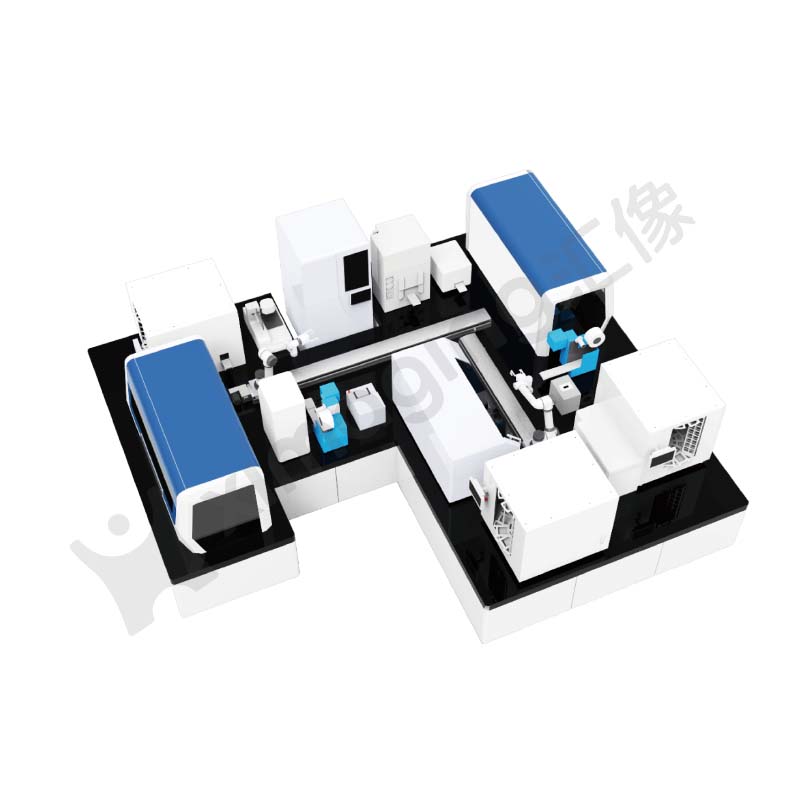
Synthetic Biology is a rapidly changing field with developments in automation technology occuring all the time. These advances have also produced systems able to perform many samples at once, streamlining and simplifying experiments. And automation technology has enabled researchers to run experiments that they did not have the ability or resources to perform in the past.
 EN
EN