Through automation, clinical chemistry labs have revolutionized the manner in which tests are performed and samples are analyzed by scientists. Through the brilliant new technologies, most of these tasks which were performed manually in old times could be continued today along with fast and efficient machines and computers.
There are several ways automation has transformed clinical chemistry labs including improved accuracy and reliability of testing. Machines are able to conduct tests with exactness, that way the results are cent percent accurate. This matters because doctors use these findings to diagnose and treat patients. And automation allows labs to move through samples more quickly, meaning patients can get their results faster.
There are numerous advantages to automation of clinical chemistry testing. For one, it minimizes human error. There’s always the risk of human error when tests are performed by hand. Automation is meant to address that issue by testing in a steady and controlled manner. Automation also means that the labs can test a higher number of samples at the same time, which can help them be more efficient and see more patients.

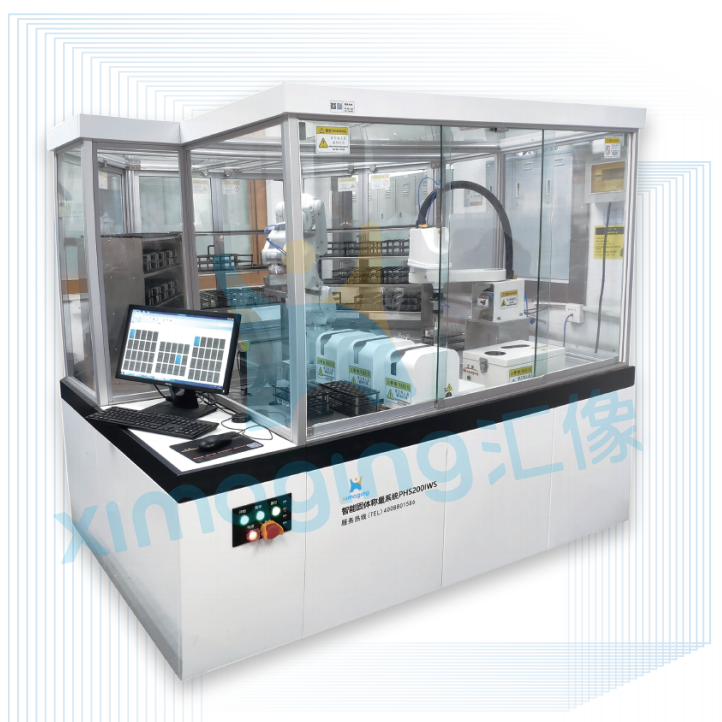
Technology is changing how lab workflows are managed by automating and optimizing processes. For instance, a test may be placed on a machine and run without direct oversight. That frees scientists up to do other things while the machine works. Automation also lets labs keep better tabs on the samples, so nothing gets lost or misplaced.

Clinical chemistry labs have come a long way since its early days. In the past, the testing process was a slow, tedious and highly manual effort, with scientists doing each step by hand. These days, labs have powerful machines and computers to conduct tests in a fraction of the time. This evolution has enabled labs to operate more effectively and offer improved patient care.
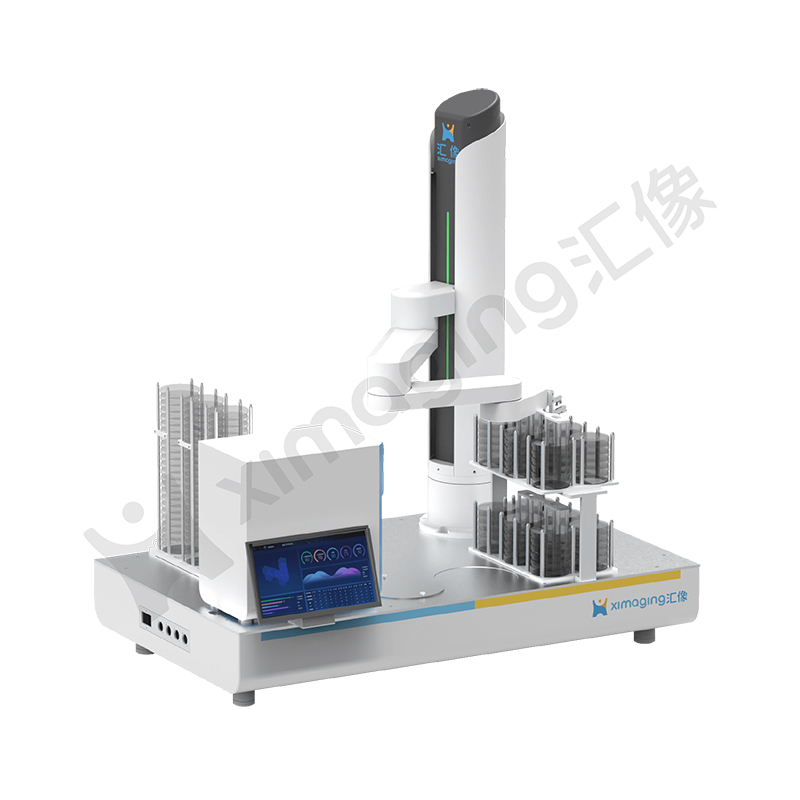
One of the greatest benefits the automation has brought at clinical chemistry labs is to obtain reliable tests rapidly. Machines, in a matter of hours or less, can evaluate samples with great precision, to provide doctors with the information they need to make informed decisions about how to care for patients. In an emergency, where seconds matter, this speed and accuracy can be lifesaving. In summary, automation has changed the way clinical chemistry laboratories operate such that they have become more efficient, accurate, and reliable than ever before.
 EN
EN