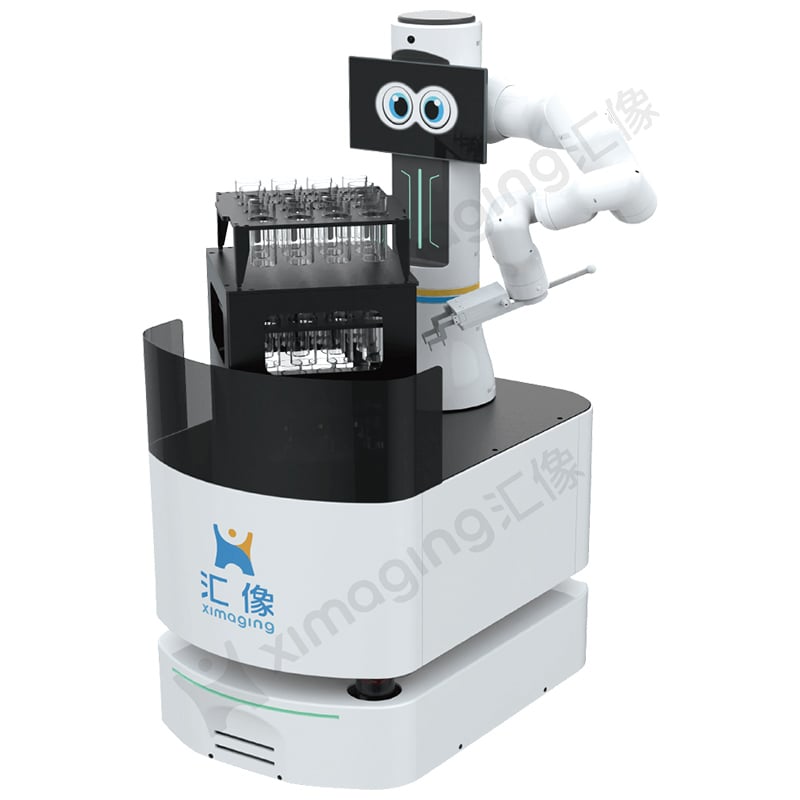
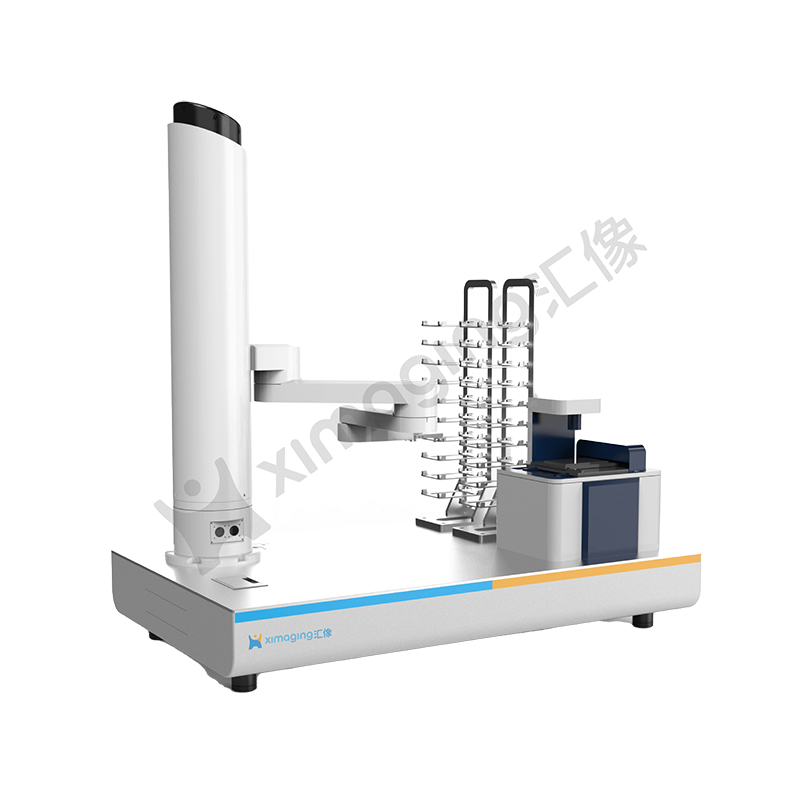
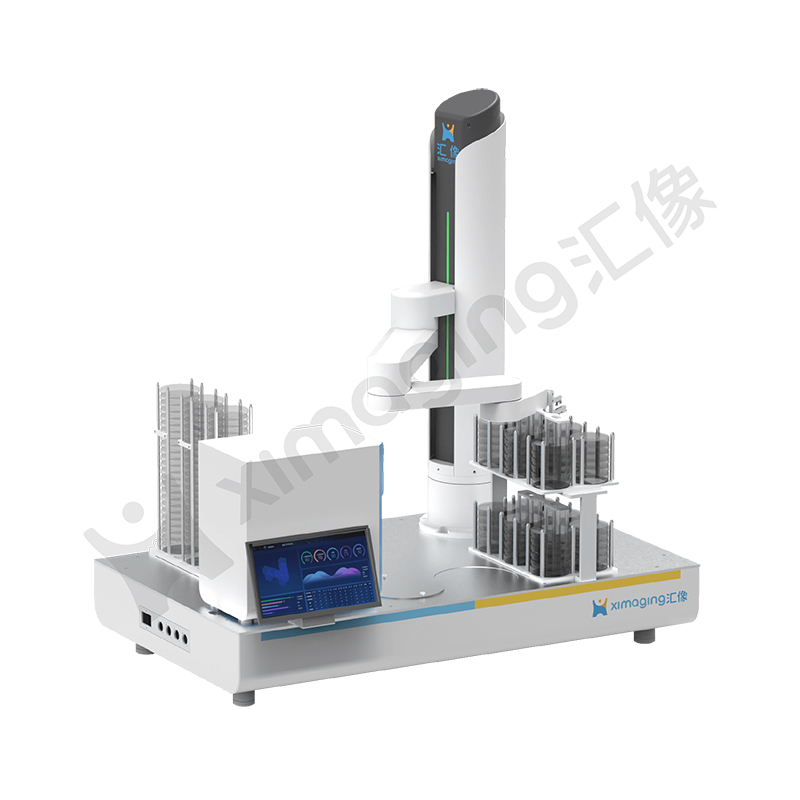
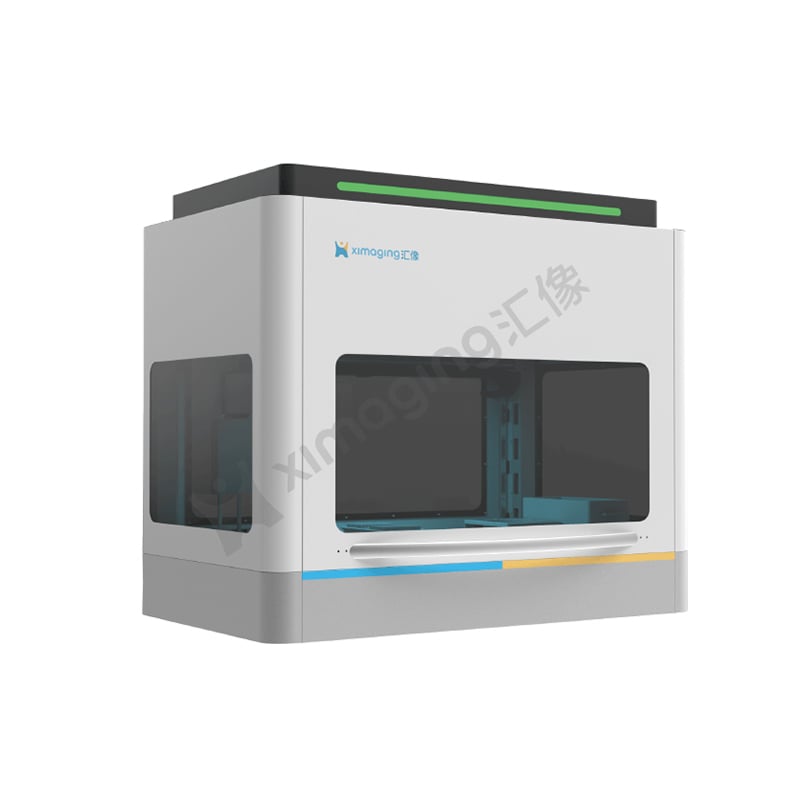
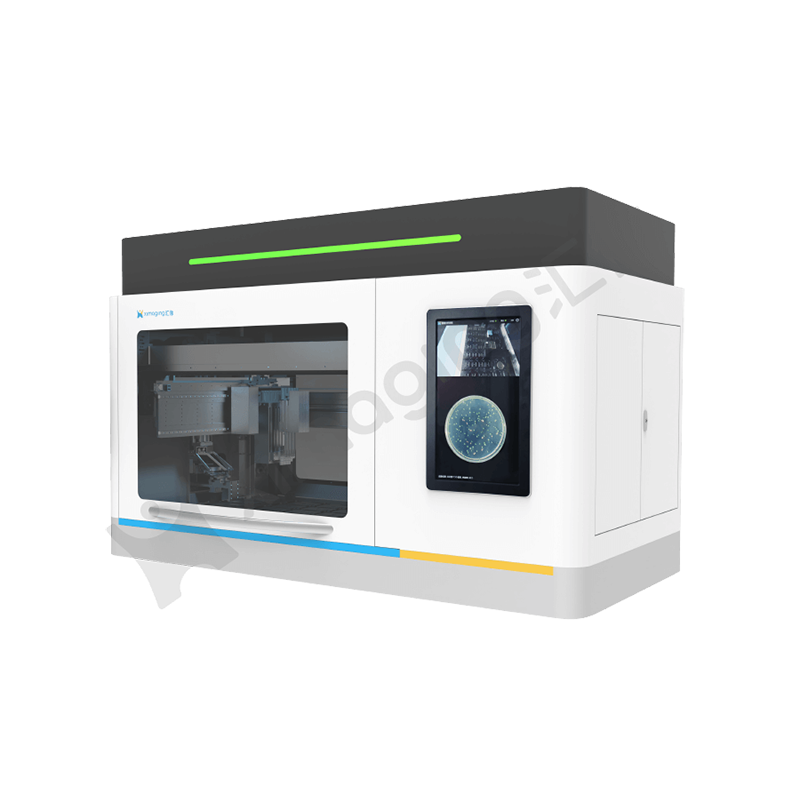
One is an area of development that involve automation of the pharmaceutical laboratory. In this lesson, we will review and cover the following: How automation can help in drug development, make research easier and efficient in pharmaceutical labs, help in drug manufacturing, how it can impact quality control and automation.
Developing drugs is a lengthy endeavor. It takes testing a lot of different chemicals to find ones that treat diseases well. Automation enables those scientists to do that testing more quickly and more accurately. Immortality comes in many flavours, and machines are already mixing chemicals, analysing data, and doing the tedious things that humans hate like labelling samples. That allows scientists to spend more time considering their experiments and developing new ideas.
This will sound strange: the research to discover new drugs to save lives. Because machines can run experiments around the clock without getting tired, this research process is increasingly automated, which makes it faster and more efficient. That means scientists can explore more ideas and discover new drugs more rapidly. This allows researchers to focus on analyzing results and decision making with automation.
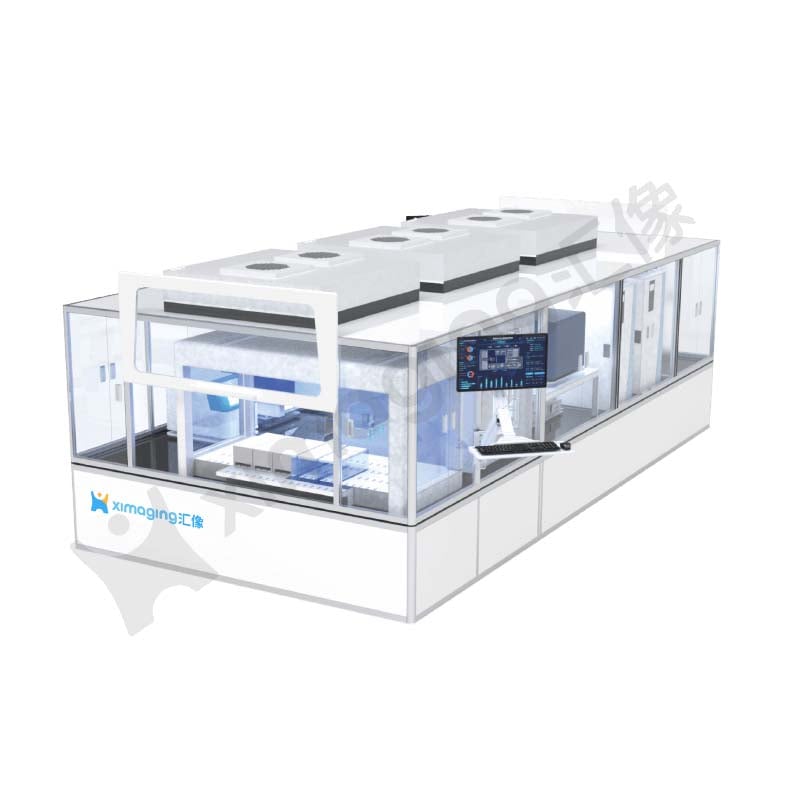
Once scientists have discovered a new drug, they need to produce plenty of it to sell to people who require that treatment. High-throughput drug manufacturing is when a machine is used to make the drugs in bulk. This accelerates and precision the process, making sure that every pill or shot is a perfect match. With automation, drug companies can make the medicines faster and more consistently.
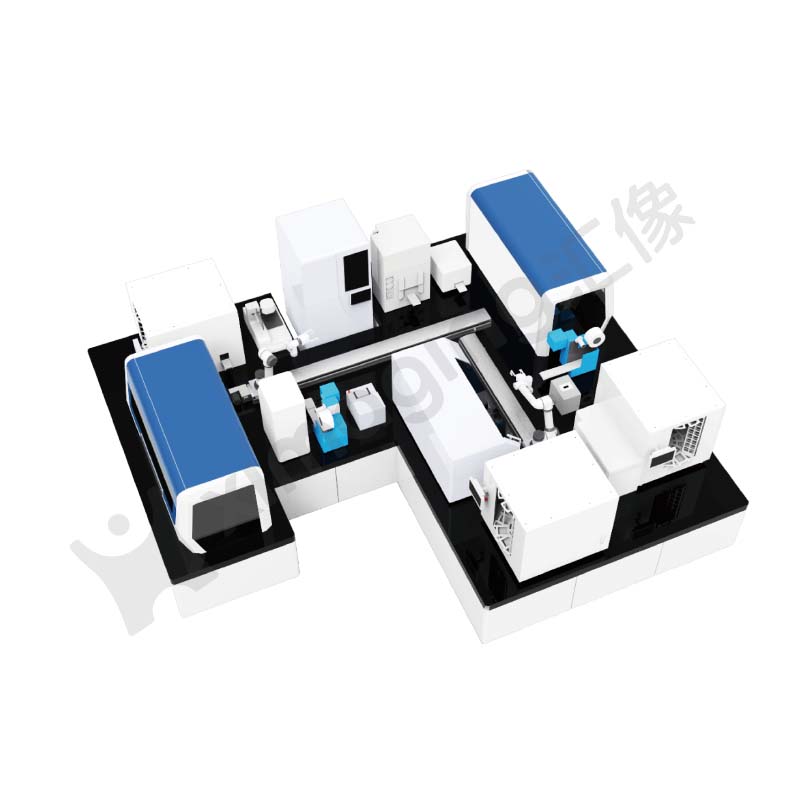
This is why quality control is crucial in pharmaceuticals since it affects the lives of patients who take medicines. Machines can also assist with quality control through inspection of each stage of production to ensure proper execution of processes. Automation can detect minute errors that can escape human eyes to confirm that every medicine is safe and effective. Drug companies are able to ensure that their products are as pure as is humanly possible when using automation in quality control.
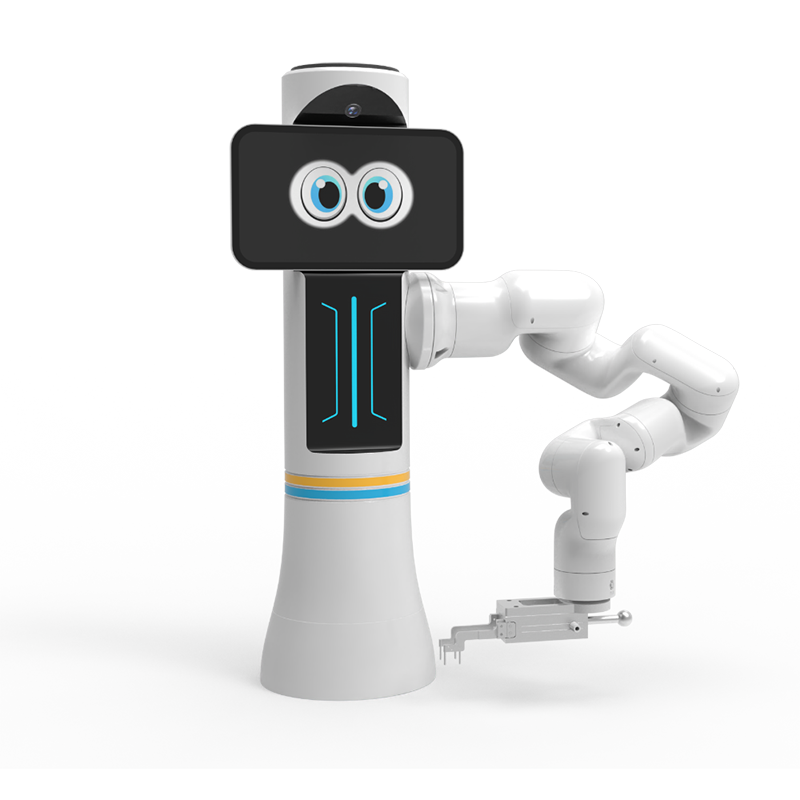
If you walk into a pharmaceutical lab that employs automation, you may witness machines transferring liquids between tubes, analyzing samples to determine the best drugs, or bottling medicines. These machines team up with humans to ease the scientists labor and make them efficient as well. You can watch automation unfold and what technology is doing to help the world become a happier, healthier place.
 EN
EN