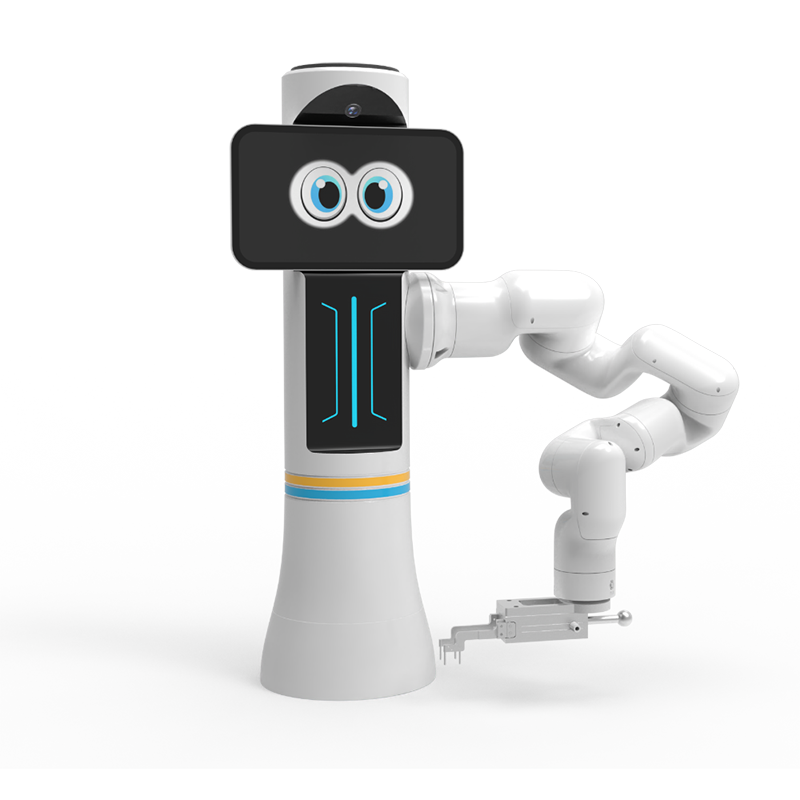
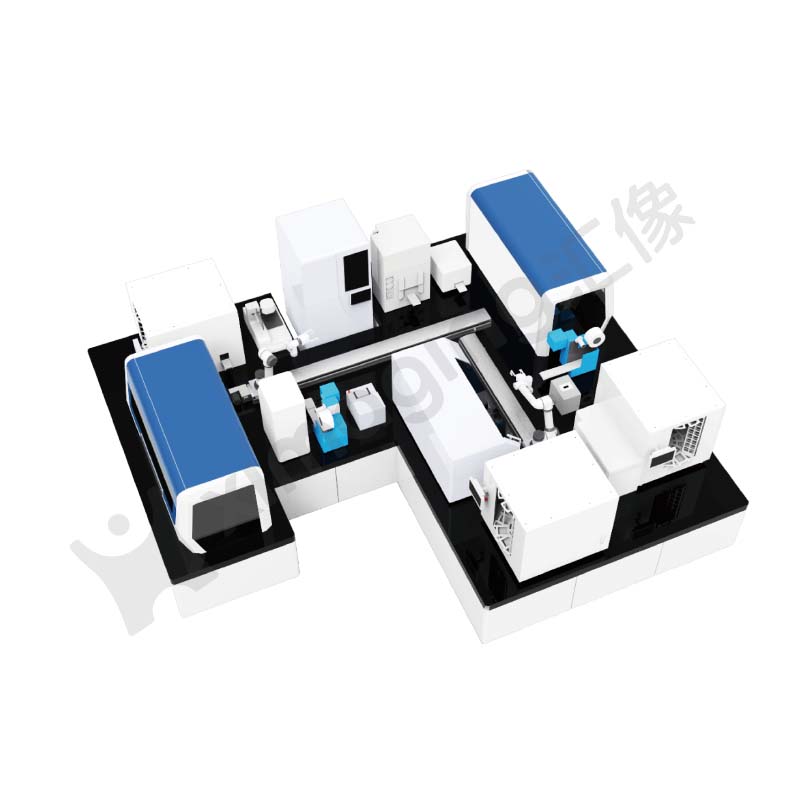
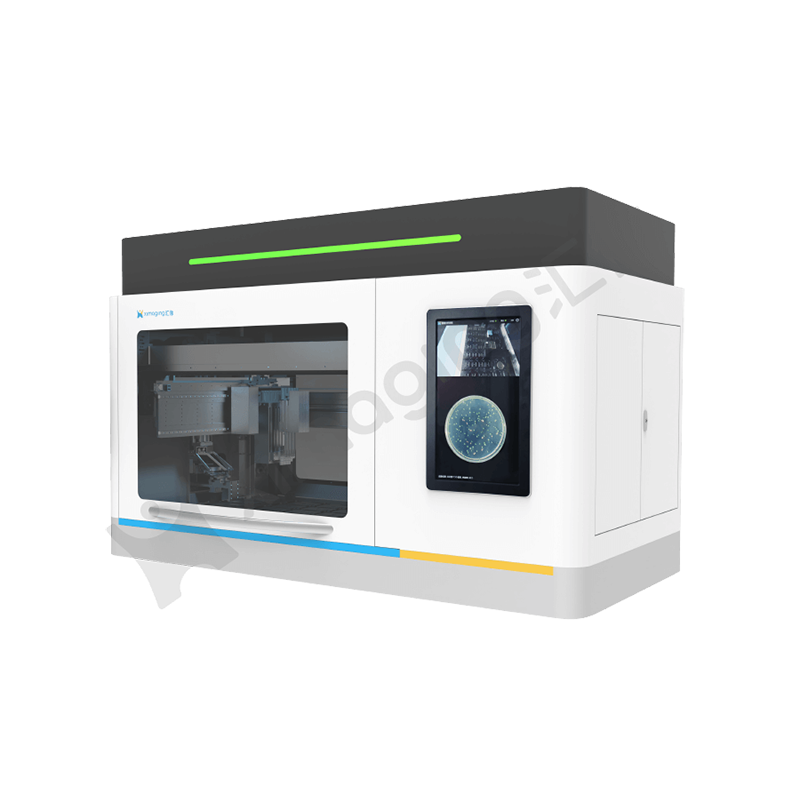
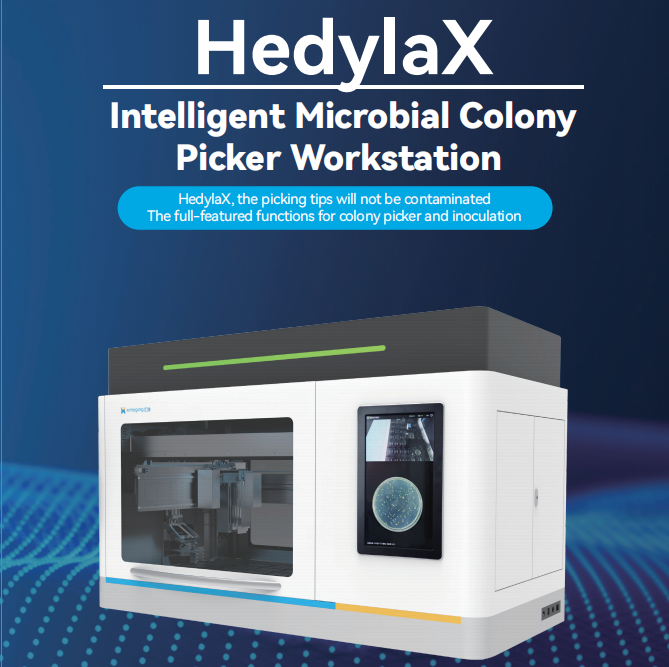
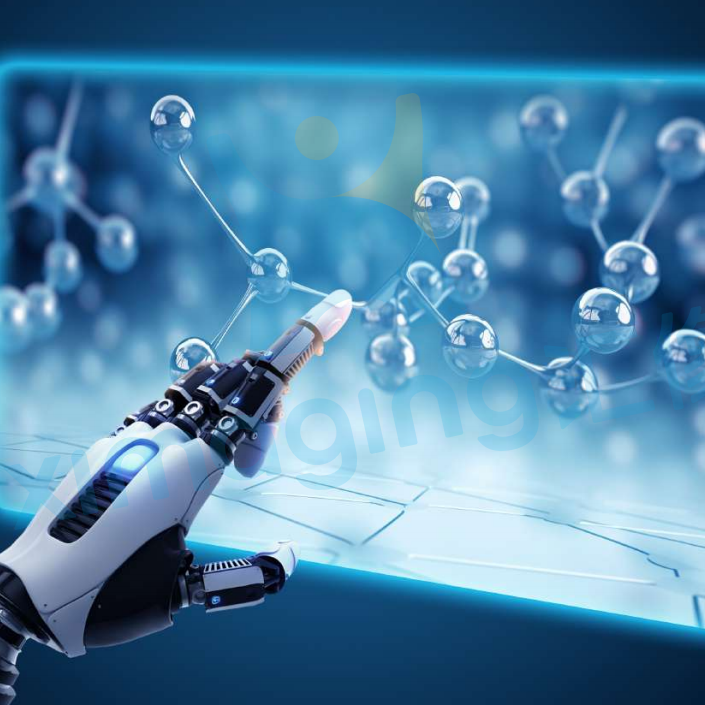
This is the age of constantly evolving technology. Microbiology is one area that has advanced significantly in recent years. Microbiology refers to the study of ultra-small organisms, including bacteria, viruses, protozoa, fungi, and algae that usually can't be seen without a microscope. Automation is a buzzword to mean, the work is done by machines and computerized systems instead of manual labour.
Historically, microbiology labs have relied on scientists to carry out experiments and assess samples by hand. This was a bit time-consuming and can contain errors. Now, with automation, laboratories are able to employ machines to accomplish many of these tasks more quickly and accurately. Automation has altered how scientists complete their work and verify samples.
There are numerous benefits of having automated systems in microbiology labs. This means that, first, automation enables labs to work at greater speed, which helps scientists get results faster. That is very important in the management of germs or outbreaks. Automated systems also help maintain clean samples, because machines are less error-prone than humans. And automation allows scientists to focus on more important work and not repeating the same experiments over and over.

Automation has also aided scientists in their research. With machines doing some of the heavy lifting, scientists can collect and verify data far more than they would be able to do with hand-based methods. This generally improves results and accuracy. Automation has allowed researchers to discover new aspects about the invisible microcosm. It is used in microbiology research to translate data into knowledge: by using machines to do some of the experimental work, scientists can discover a great deal more.
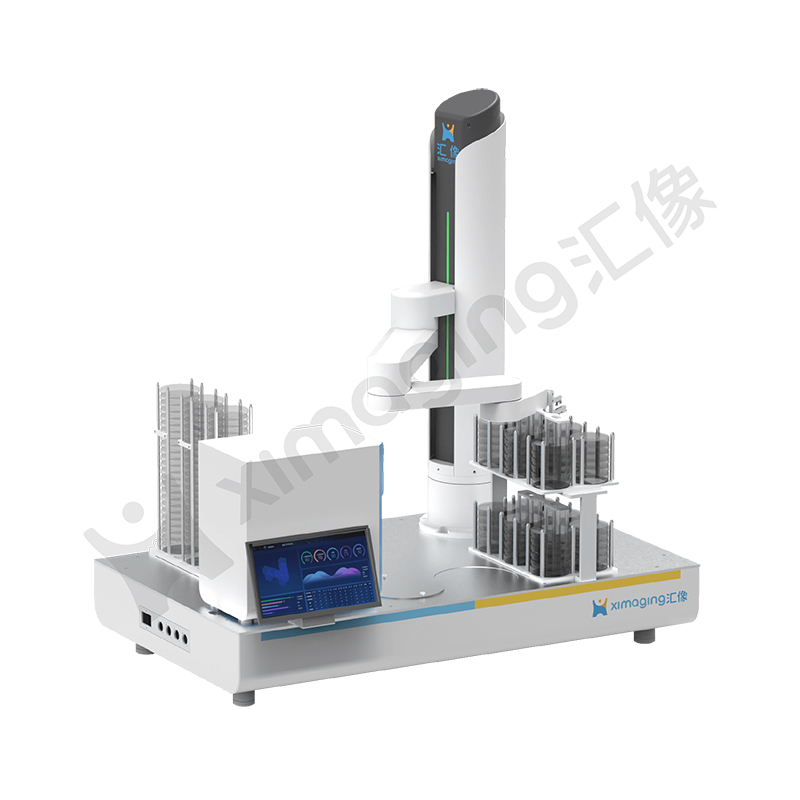
Automation has transformed microbiology labs. This aids in making labs more efficient and effective. Thus they eliminate human error while saving time and resources by using machines for this purpose, and this leads to faster and better results. Automation has led to new areas of exploration and discovery by scientists in microbiology. In summary, automation has significantly transformed microbiology laboratories and our research endeavours.
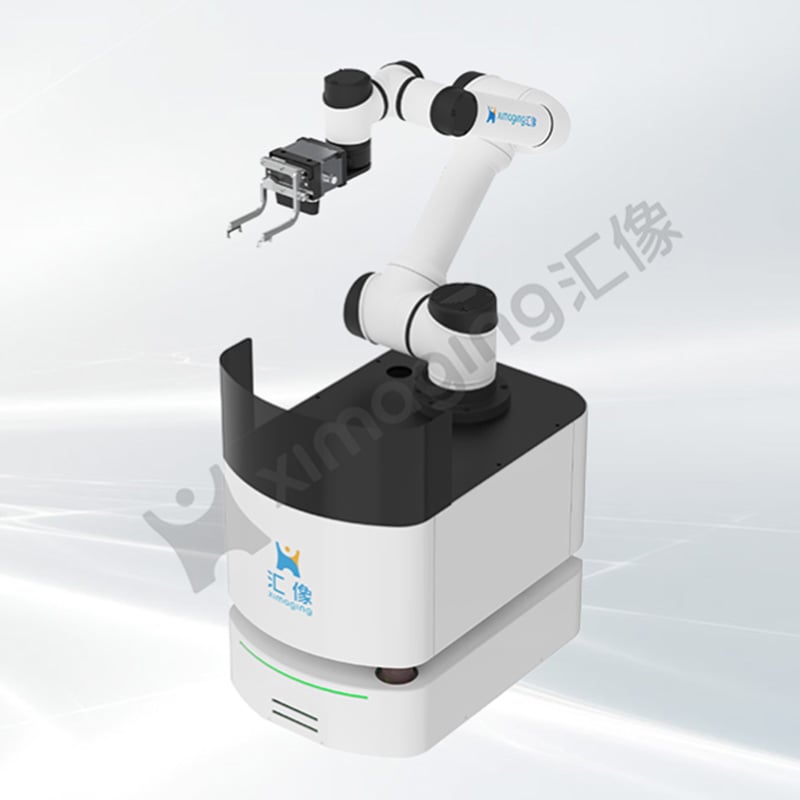
With continued improvements in technology, automation will increasingly take a role in microbiology. It may transform how labs operate and aid new scientific breakthroughs. Automation technology allows labs to remain at the forefront of scientific discovery and insights to miniaturized worlds.
 EN
EN