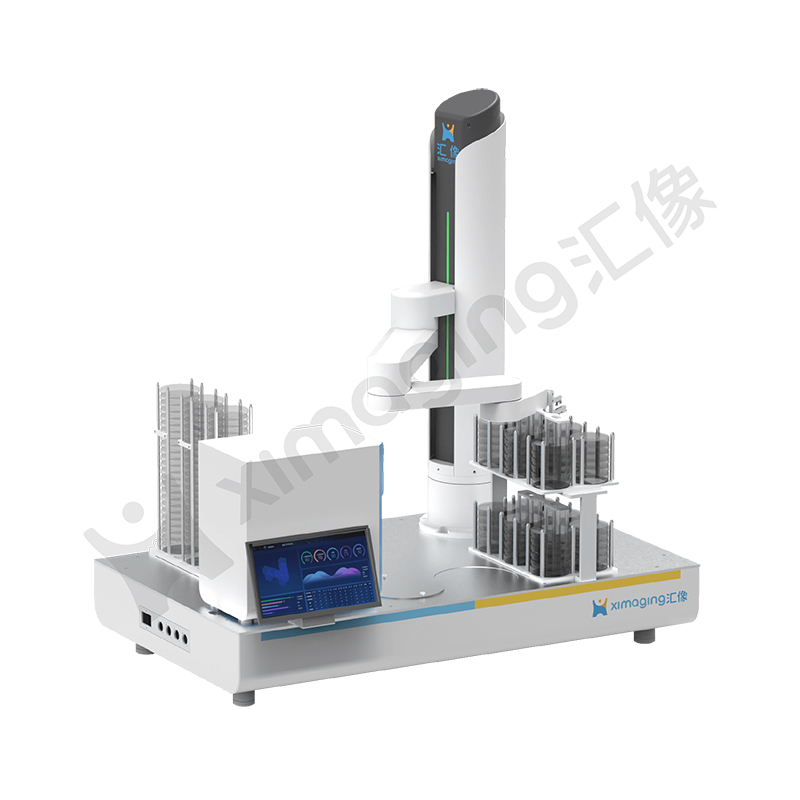
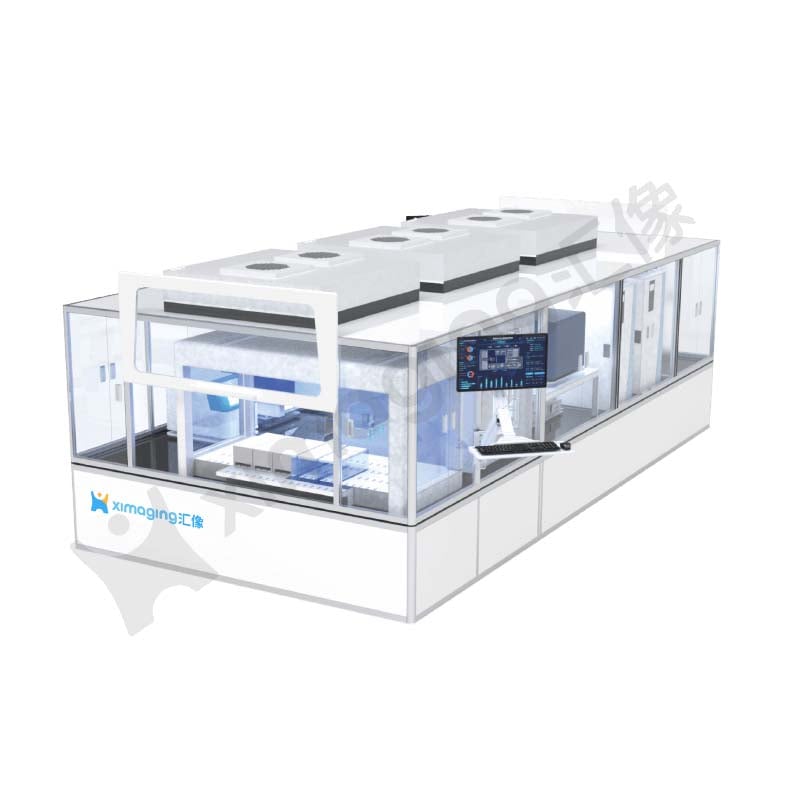
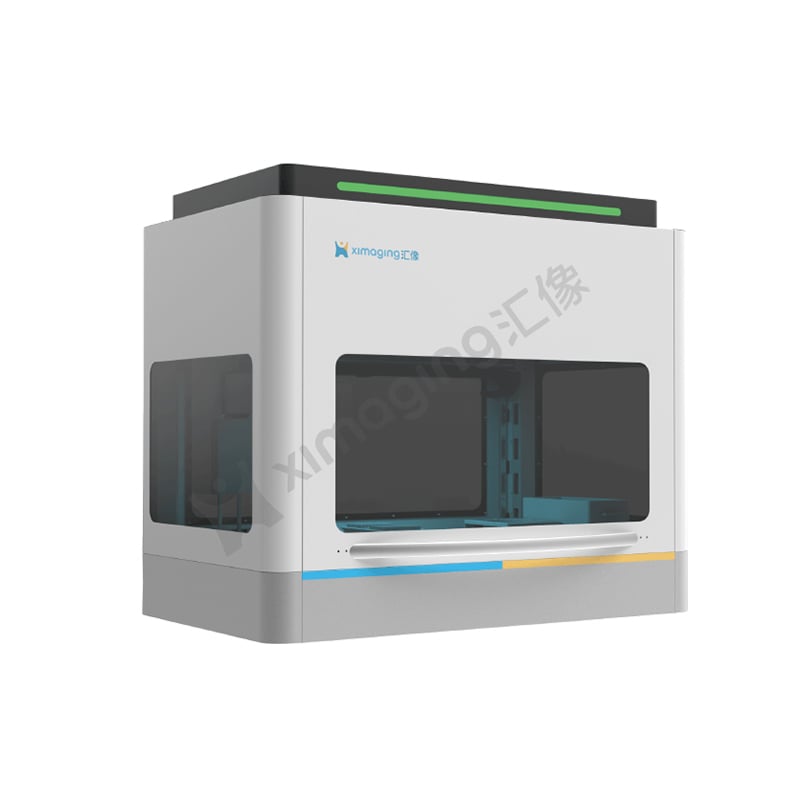
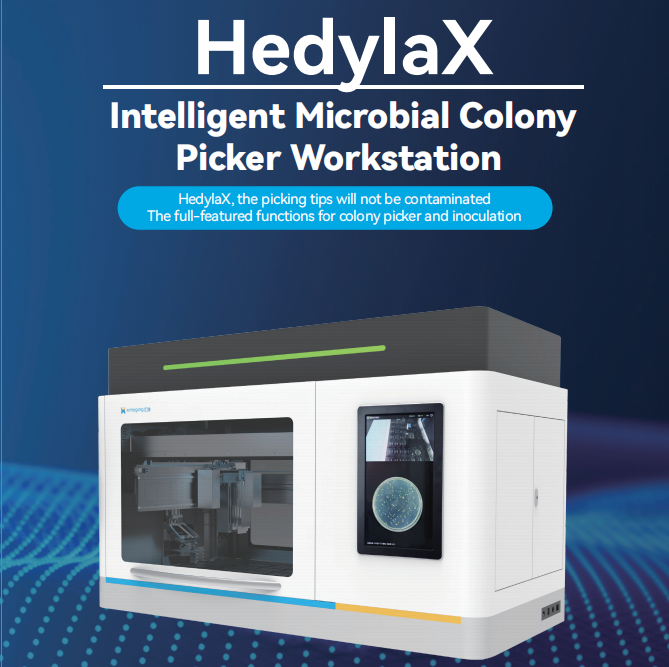
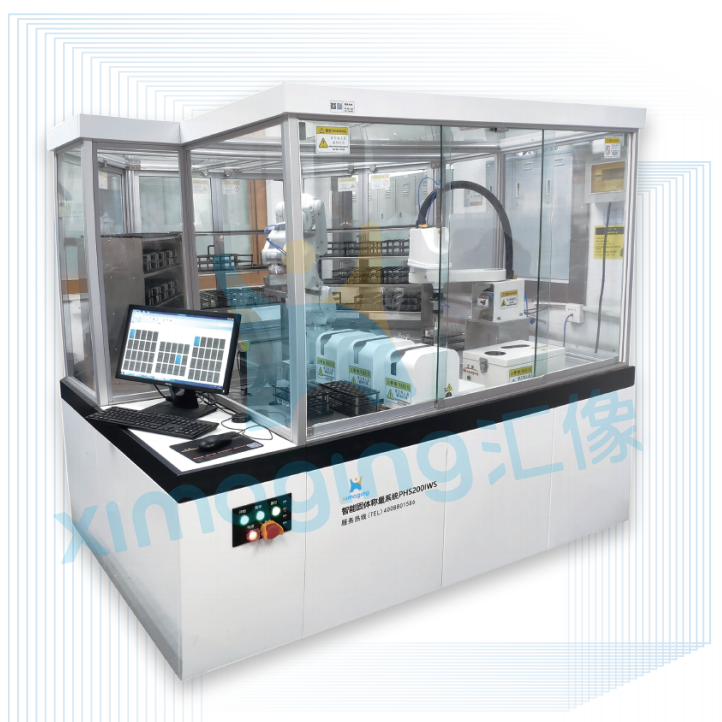
At the laboratory level, Automated Liquid Handling Equipment can assist scientists in their work process and make it easier and more efficient. These contraptions are like magical machines that scientists can use to mix liquids and chemicals without ever messing up. If you’ve never had a robot to assist you when mixing materials for a science experiment, then you’re not a scientist mixing with Automated Liquid Handling Equipment.
For scientists in a laboratory, there’s no denying it: there are numerous advantages offered through the use of Automated Liquid Handling Equipment. The biggest advantage is that these machines can operate much more quickly than humans. That’s because scientists can do more experiments in less time, and that can speed their ability to make important discoveries.
Another advantage of Automated Liquid Handling Equipment is its ability to measure with precision, which better than that of humans. This is crucial because the slightest error in measuring chemicals can spoil an experiment. Automated Liquid Handling Instrumentation will give researchers confident that their measurements are accurate time and time again.
Automated Liquid Handling Equipment is changing the laboratory landscape, making experiments more efficient, accurate, and rapid. Scientists can spend less time on tedious work like mixing chemicals and more time on data analysis and making new discoveries.
The volume of liquid that will be processed is an important factor to take into account when selecting a liquid handling instrument. Some experiments call for the most exacting measurements of minuscule amounts of liquid; others call for larger amounts of liquids to be mixed.
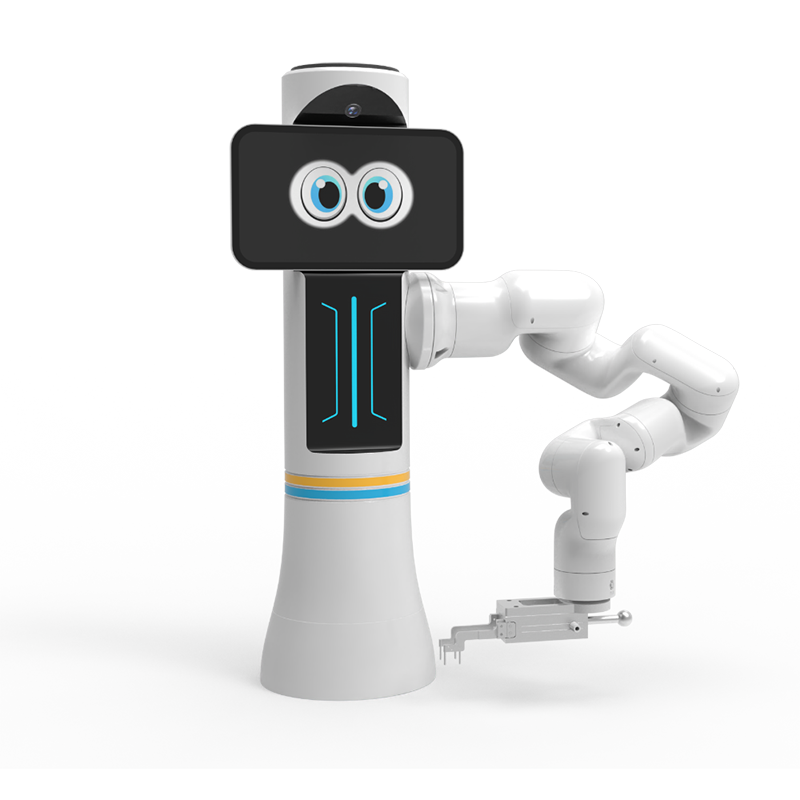
The Automated Liquid Handling Equipment and which practically is an advanced technology. These machines are able to maneuver robotic arms to pick up and dispense liquids with the precision of a needle, all under the control of computer programs.
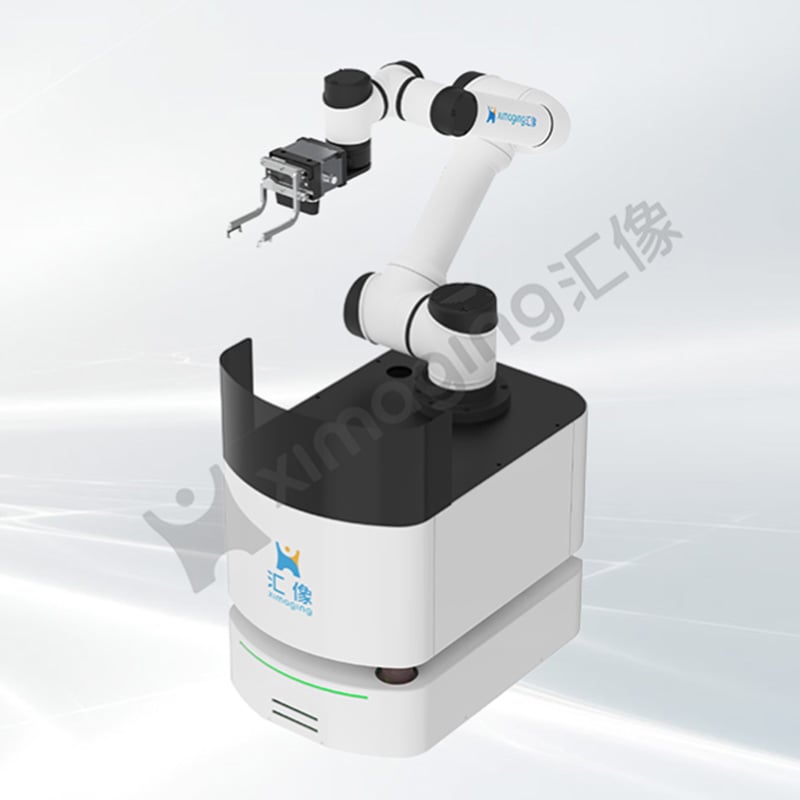
One of the most important technologies applied to Automated Liquid Handling Equipment is called "pipetting". This is what is known as the transfer of liquid from one container to the next by means of a special small instrument called a "pipette". Robot arms move the pipette and ensure the right amount of liquid is transferred every time.
 EN
EN