From machines that assist doctors to see into patients’ bodies to those that test blood and urine samples, labs are crucial to keeping people healthy. These labs typically have many important jobs to carry out, including ensuring that drugs are safe and effective and helping doctors determine what is ailing people. But sometimes having to do all these jobs can get very time consuming, and one mistake makes it harder for doctors to help their patients. That’s where Intelligence Technology comes in.
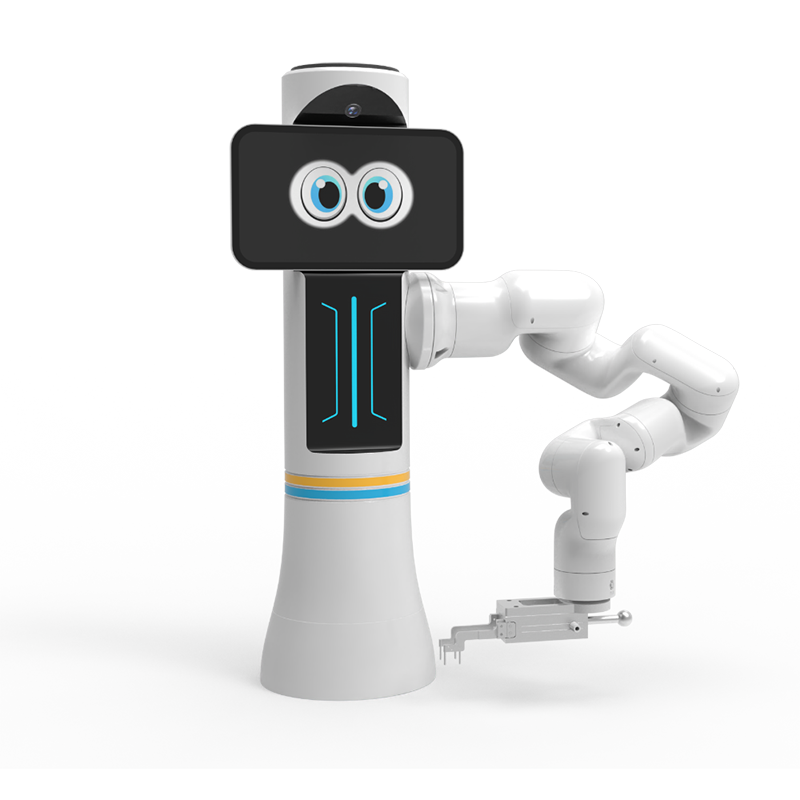
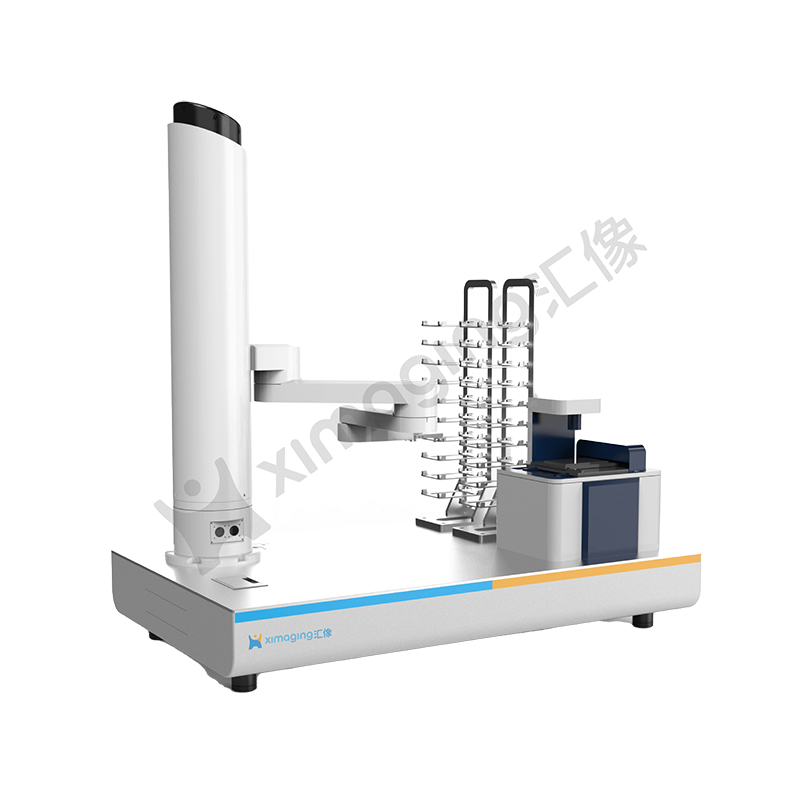
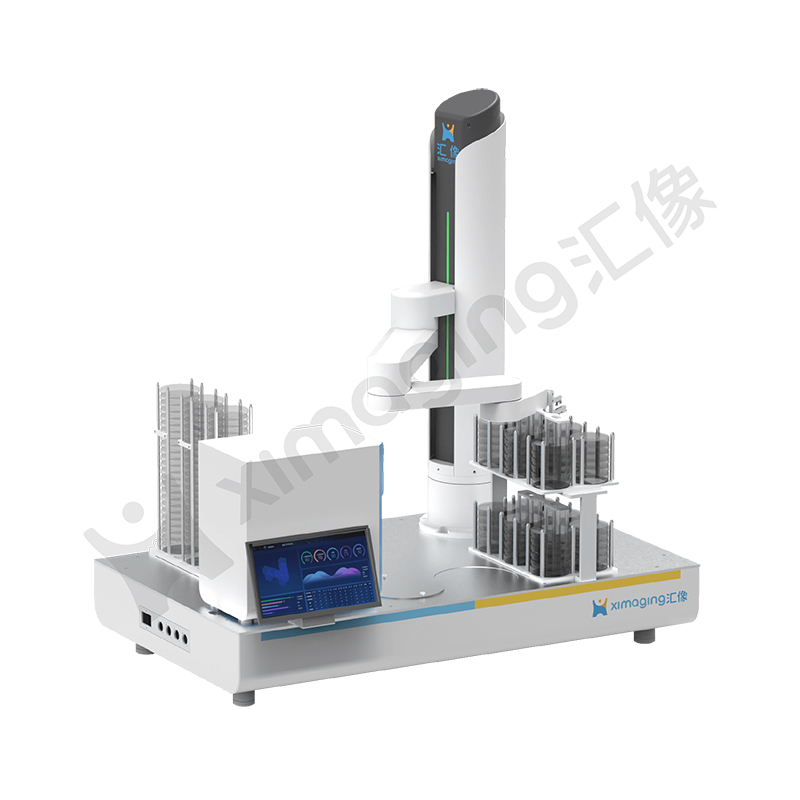
Imagine a robot that can make the people in the medical lab do their jobs faster and better. That's exactly what automation does. Automation is when machines do things people once did, such as move samples from one machine to another or mix chemicals together. By automating those tasks, medical labs could save time and lower the risk of errors while being able to give doctors key information about their patients more quickly.
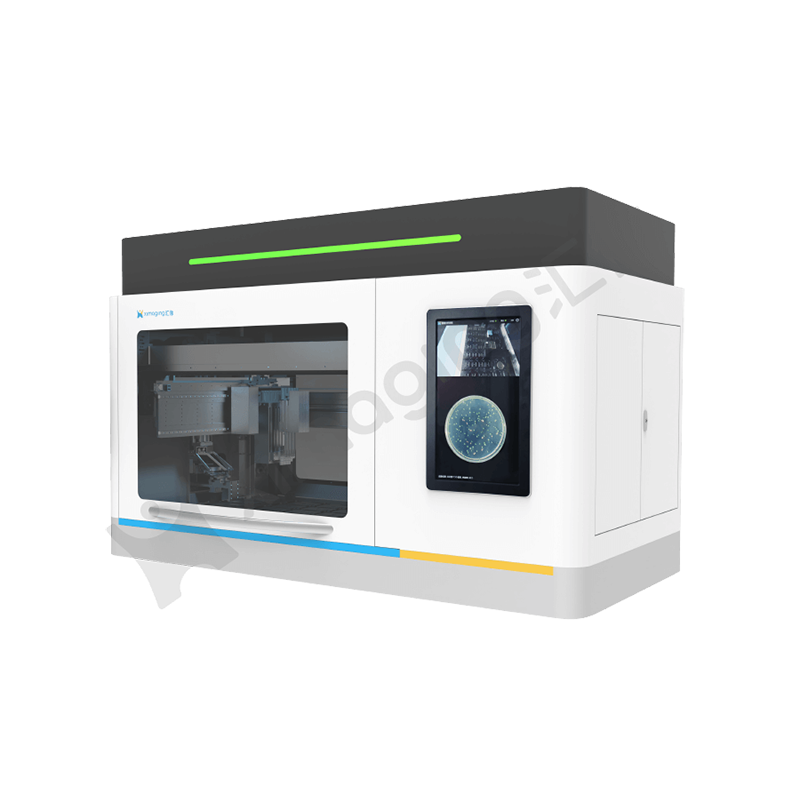
Performing tests on patient samples is one of the most vital functions of a medical lab. These tests can help physicians determine what is causing an illness and what medicines might help the patient recover. When labs use automated instruments to conduct these tests, they are able to do so more quickly and with fewer errors, providing doctors with up-to-date information so they can make the most appropriate decisions for their patients. That means patients can receive the correct treatment more quickly to help them recover faster.

Medical Labs are always finding new applications for automation with tech growing by the day. From robots that are able to collect samples and bring them to other machines, to machines themselves that are able to analyze samples and produce results within minutes, automation is drastically changing the operations of medical labs. This not only allows labs to test more efficiently and accurately but to accommodate the vast increase in demand for their services.

And one of the greatest payoffs of replacing people in medical labs with robots is that it can make labs more productive and reduce errors. Taking over time-consuming, repetitive tasks, automation frees up lab technicians to concentrate on more meaningful work, such as analyzing data and communicating results to doctors. This is not only more efficient but also decreases the possibility of errors, said to reduce the time and errors and providing patients with accurate and timely information as quickly as possible.

With the use of the latest technology in medical lab automation, labs can offer better patient care. Whether it is using artificial intelligence to analyze data and identify trends or relying on robotics to handle samples and tests, automation in labs is enabling more accurate and reliable test results to be delivered quickly to doctors and their patients. This enables doctors to provide a higher level of care with better outcomes for their patients overall.
 EN
EN