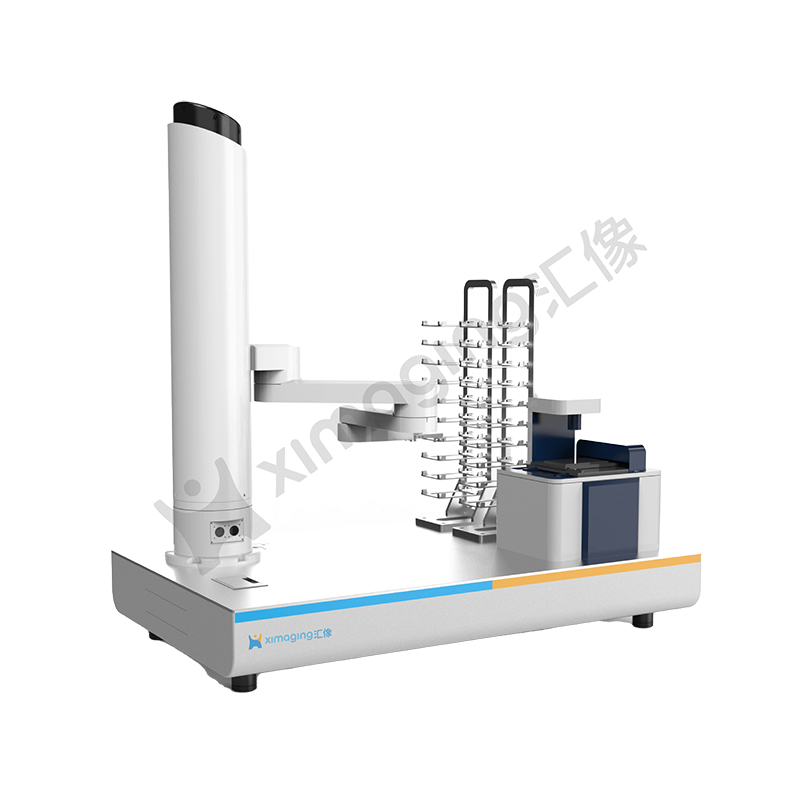
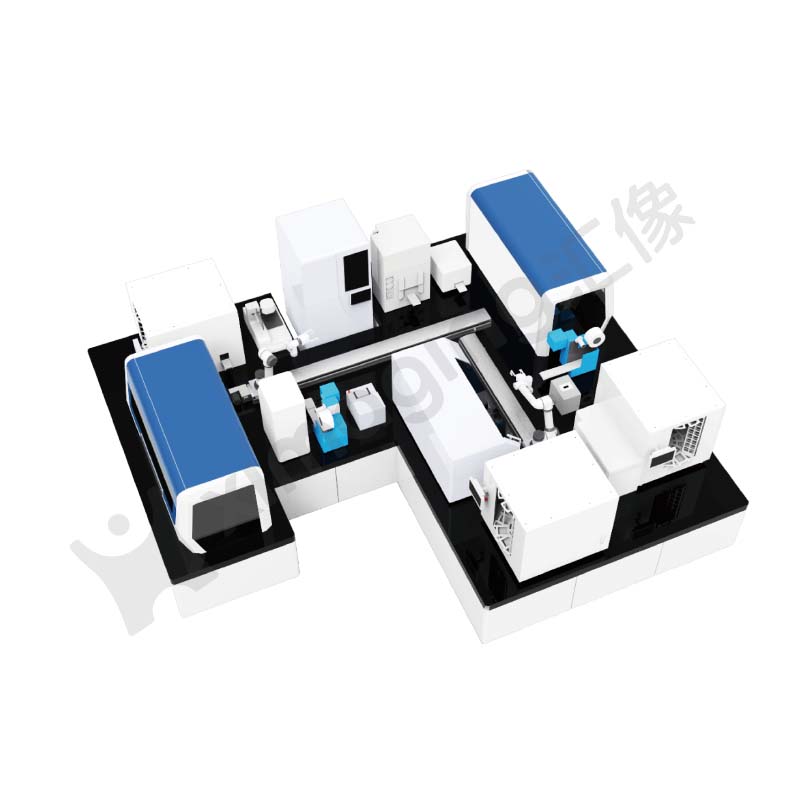
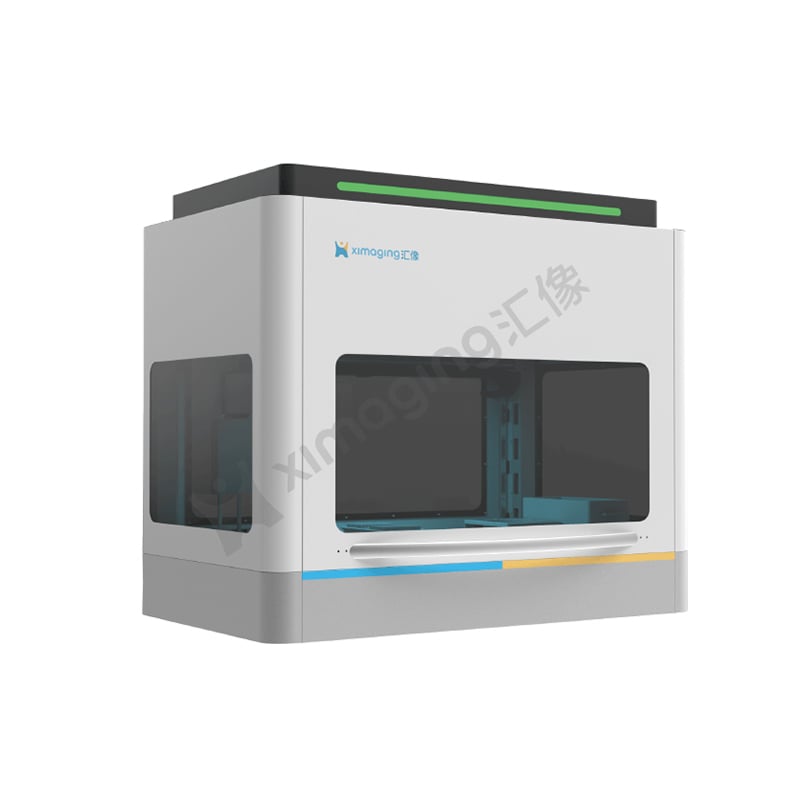
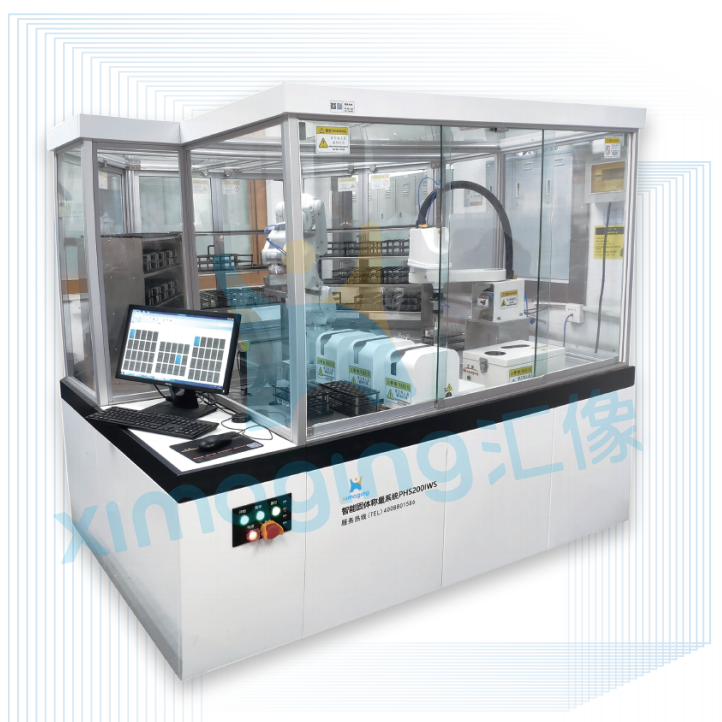
In the land of science there is something called as ‘an automated cell imaging system’. This high-tech device allows the scientists to get a speedy and efficient look at cells. Using this clever machine, scientists can study how cells in our body operate and can also find new things that might be useful in helping people to keep well.
Automating cell analysis with image-based cytometrySinéad KnightAutomation of cell analysis and dynamic time-lapse imaging 167 168 169 170 171 172 173 174 175 176 177 178 179 180 181 182 183 184 185 186 187 188 189 190 191 192 193 194 195 196 197 198 199 200 201 202 203 204 205 206 207 208 209 210 211 212 213 214 215 216 217 218 219 220 221 222 223 224 225 226 227 228 229 230 231 232 233 234 235 Pyridinium probes: a) depolarized and b) CPATM)-labeled cells.
Visualize this from a microscope, staring at thousands of minuscule cells. So long, in fact, and so hard! That’s where the automated cell imaging system steps in. It is able to snap photos of cells automatically and to analyze them quickly. This saves scientists a lot of time and allows them to concentrate more on finding new things.
Researchers can save time by using automized cell imaging systems. Rather than spending hours peering at cells under a microscope, they can leave the machine in charge. This in turn enables researchers to study more cells more quickly. And the greater number of cells they can study, the more they can learn!
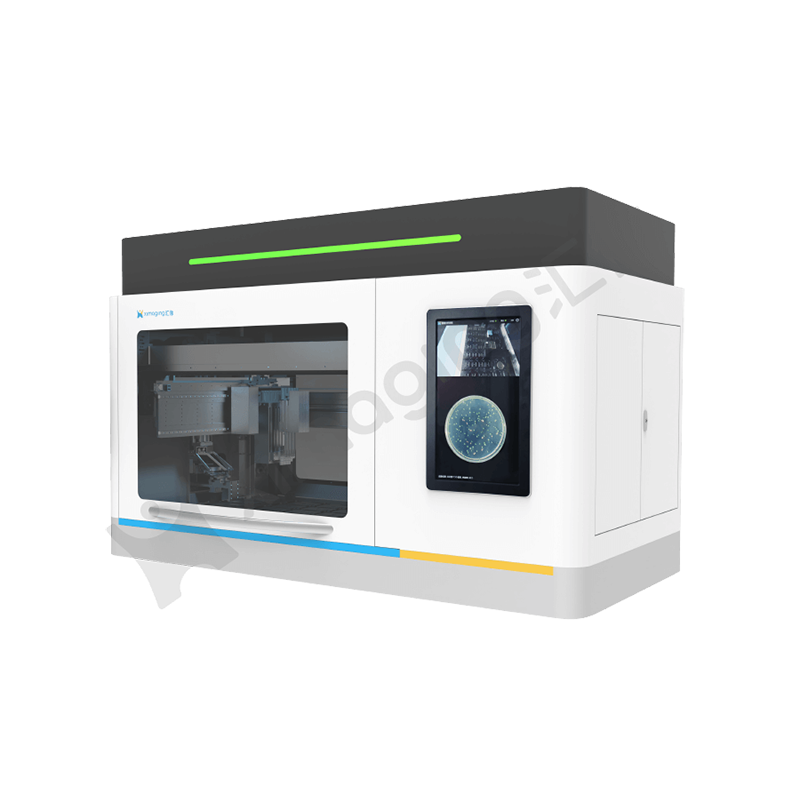
Automated imaging instruments have transformed the way scientists explore cells. With these smart machines, researchers can see cells better than ever before. This aids them in studying how cells behave and how they communicate with one another. This technology is a real game changer for cell biology research.
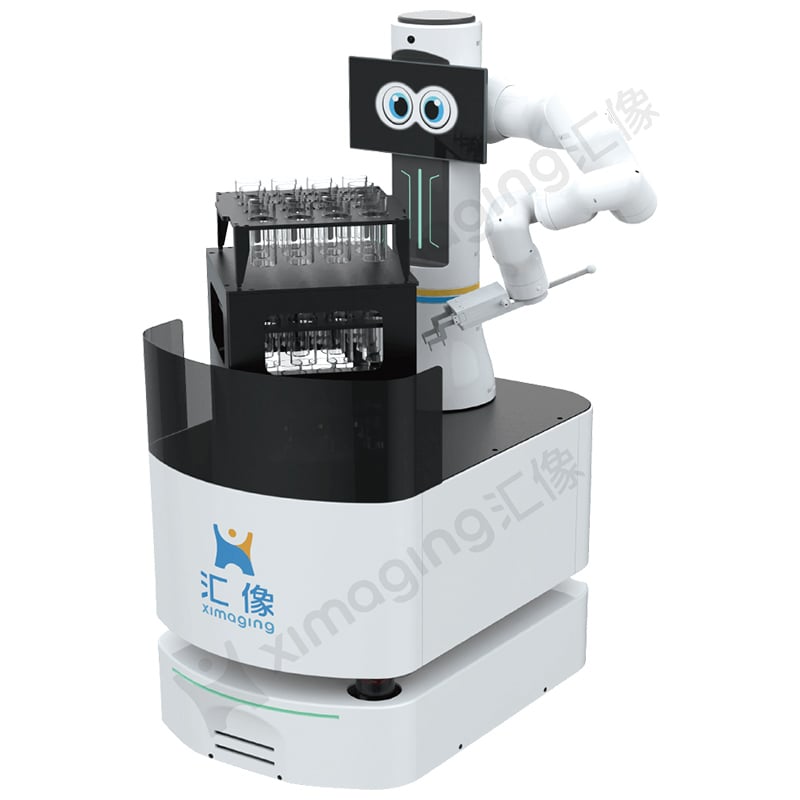
Automation is a remarkable tool to help scientists do their jobs more accurately. There are imaging systems which may automatically photograph cells very accurately. That means researchers can trust the information they receive from the machine. Automation has the potential to keep our science honest.
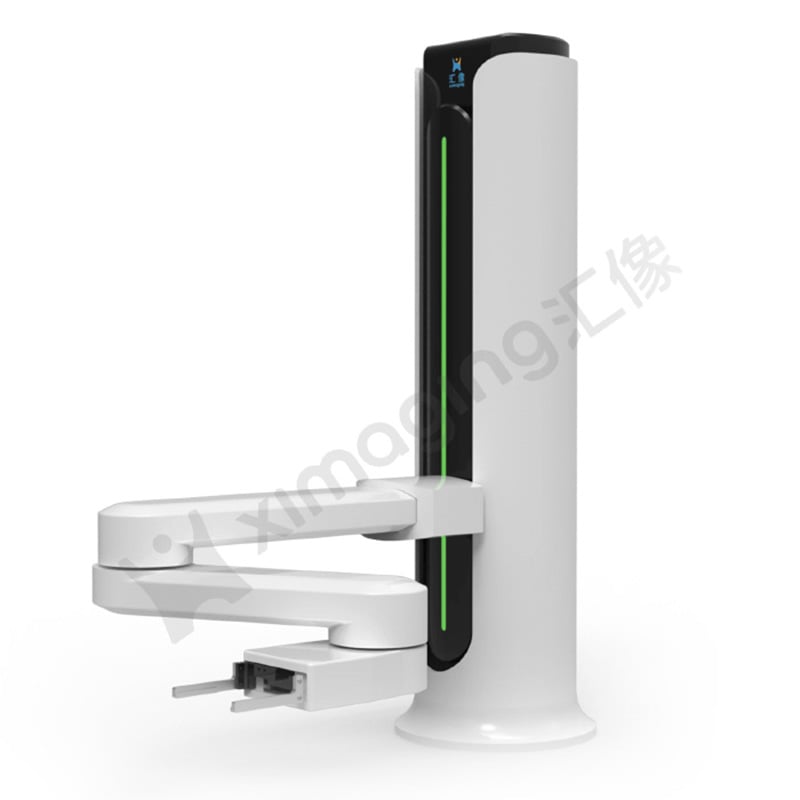
Automated cell imaging technology has greatly driven forward scientific discovery in multiple aspects. “Scientists can now look at cells in ways they just couldn’t do before,” said Dr. Jason Manley, a cell biologist at Velocity. This has resulted in new insights and advances in cell biology. With the help of automated imaging and imaging scientists, researchers are redefining the limits of what it is possible to achieve with science.
 EN
EN